
 US
US CA
CA NZ
NZ AU
AU ZA
ZA CH
CH FR
FR JP
JP TH
TH NP
NP BR
BR AR
AR ID
ID MX
MX KE
KE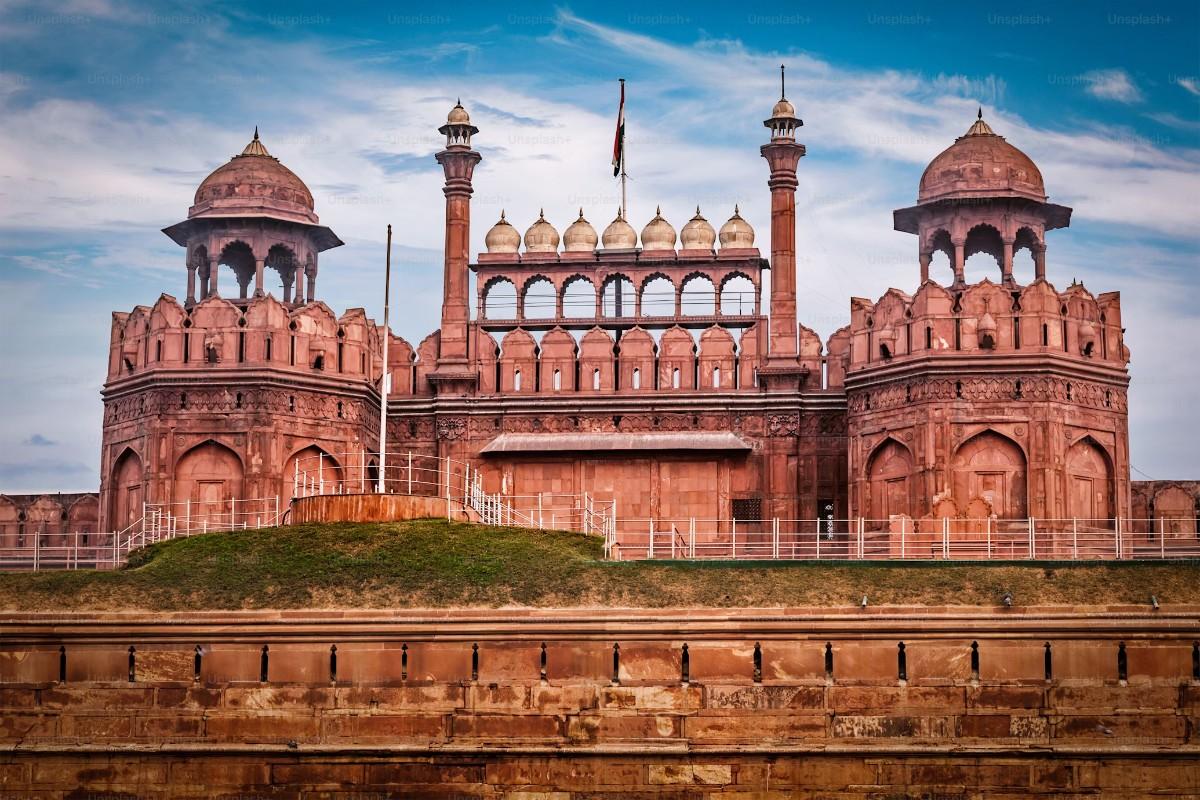
📍 About & Historical Insights
Delhi, India’s pulsating capital, is a timeless blend of ancient history and modern marvels. From the Mughal grandeur of Red Fort and Humayun’s Tomb to the bustling chaos of Chandni Chowk and the colonial elegance of Lutyens’ Delhi, the city has been the seat of empires for centuries. It’s a living canvas of heritage, culture, politics, street food, and urban life, offering layers of stories waiting to be explored.
Delhi stands as a living testament to India's layered history, where seven ancient cities blend seamlessly with the bustling modern metropolis. From the legendary Indraprastha of the Mahabharata to today's political powerhouse, Delhi has been continuously inhabited for over 3,000 years, serving as the seat of empires that shaped the subcontinent's destiny.

The city's strategic location on the banks of the Yamuna River made it a coveted prize for countless rulers. The Delhi Sultanate (1206-1526) established it as the center of Indo-Islamic architecture, leaving behind masterpieces like Qutub Minar and Humayun's Tomb. The Mughal Empire (1526-1857) transformed Delhi into a jewel of Islamic art and culture, with Shah Jahan's Red Fort and Jama Masjid defining the city's skyline.

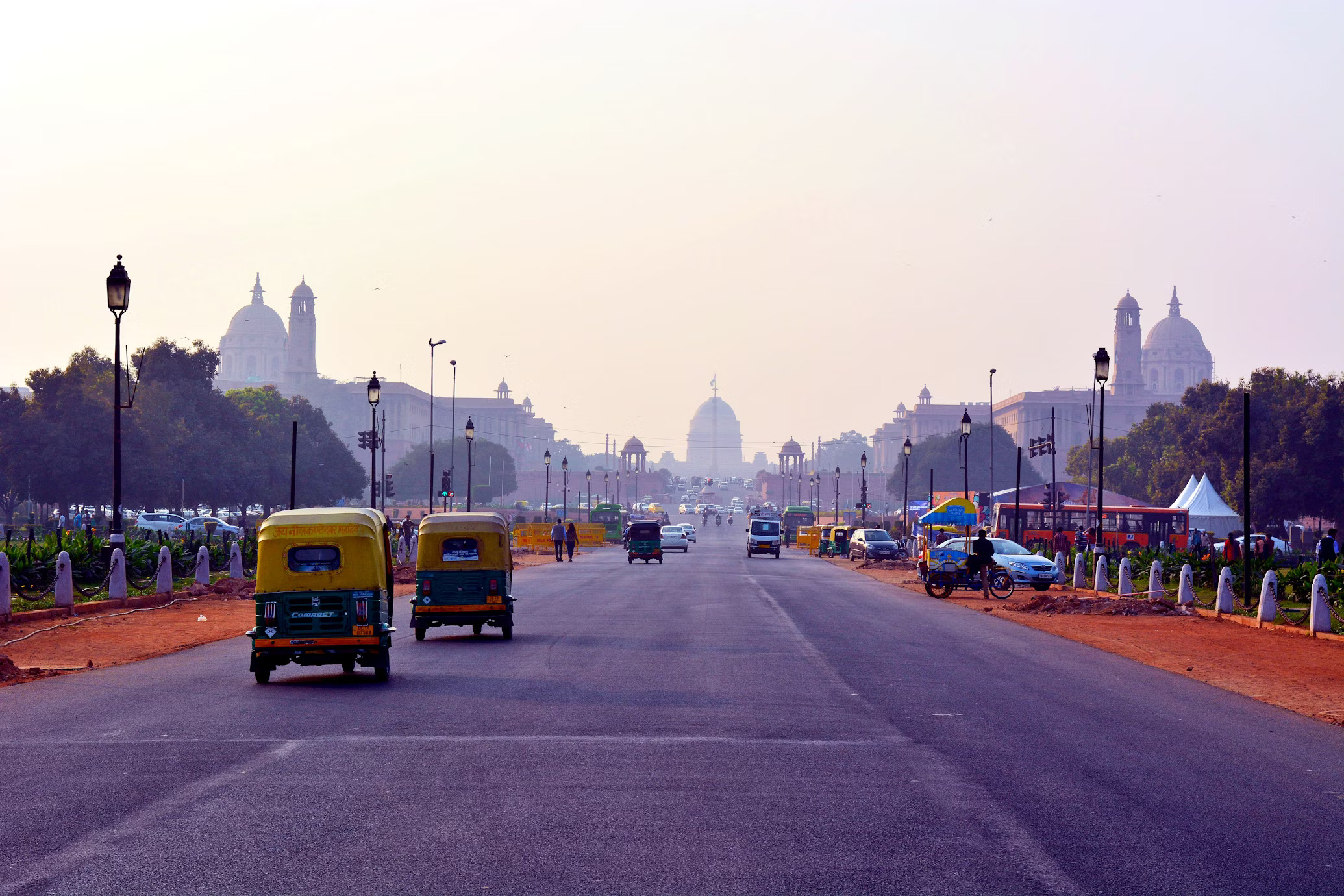
Today's Delhi is a fascinating paradox - ancient monuments stand alongside gleaming metros, street food vendors operate in the shadows of corporate towers, and traditional bazaars buzz with the same energy that once welcomed Silk Road merchants. This cultural kaleidoscope makes Delhi not just India's political capital, but its cultural and culinary heart.
Read More
🕰 Best Time to Visit
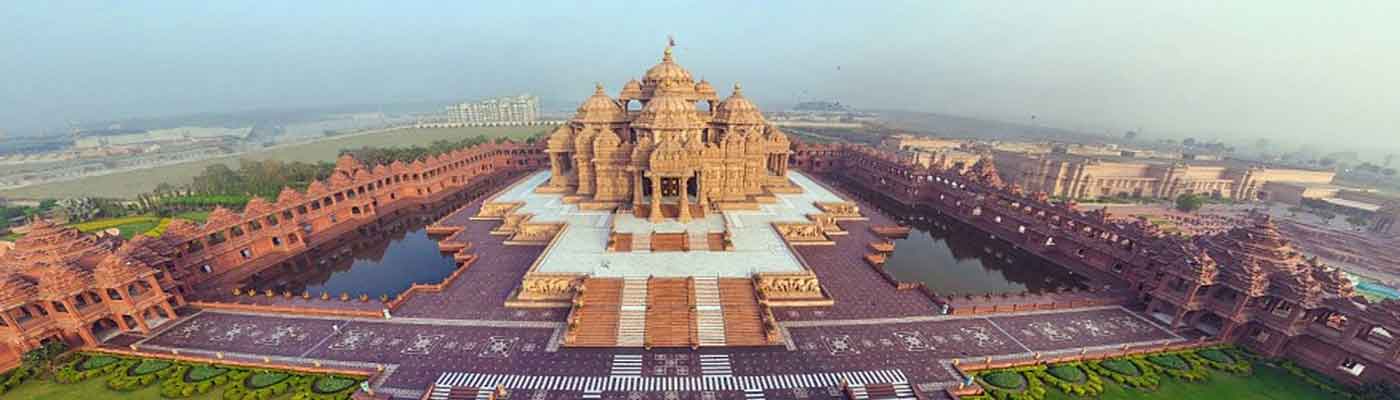
Peak Season (October – March) – The ideal time to explore Delhi’s treasures. Pleasant weather makes sightseeing comfortable. However, this period sees higher accommodation rates and larger crowds at monuments.
Shoulder Season (April & September):Moderate temperatures with warm days but manageable heat.April offers beautiful blooming gardens, while September brings post-monsoon freshness.Better accommodation deals and fewer crowds at popular attractions.

Summer Season (May - June):Intense heat with temperatures soaring above 45°C. Recommend to avoid.

Monsoon Season (July - August):Brings relief and transforms the city into a lush green paradise.Significant discounts on accommodation but outdoor activities are challenging during peak summer.

Rryokou Recommendation:
- Visit during November-February for perfect weather,
- Or during monsoon for experiencing Delhi's romantic, rain-washed avatar with dramatic monsoon photography opportunities.
Read More
🛣 Transport Tips / How to Reach
By Air: Indira Gandhi International Airport (DEL) is one of the world’s busiest, connecting Delhi to every major global destination. Airport Express Metro provides the fastest city connection (Rs. 60, 20 minutes to New Delhi Station). Pre-paid taxis, app-based cabs, and bus services available 24/7.
By Train:Delhi serves as India's railway hub with five major stations:
           - New Delhi Railway Station:: Main terminus for premium trains
           - Old Delhi Railway Station:: Historic station serving northern routes.
           - Nizamuddin Railway Station:: Important junction for southern and eastern routes
           - Anand Vihar:: Eastern region connectivity
           - Sarai Rohilla:: Western and northwestern routes
By Road:Excellent highway connectivity via NH1, NH2, NH8, and NH24. Interstate buses operate from ISBT Kashmiri Gate, Sarai Kale Khan I.S.B.T Terminal, and Anand Vihar ISBT. Self-drive options are available but traffic can be challenging for first-timers.

Local Transportation
     - Delhi Metro (best option), auto-rickshaws, app-based cabs, DTC buses, cycle rickshaws in Old Delhi.
Read More
📸 Key Attractions/Popular Places to Visit
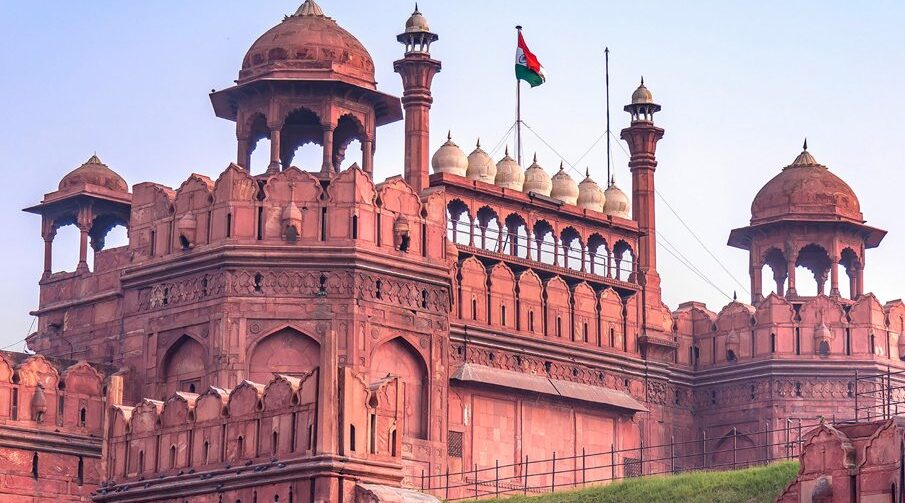
Red Fort (Lal Qila)
Magnificent Mughal fortress and UNESCO World Heritage site, symbol of India's independence
🕒 💰Timings & Entry Fee:
- 9:30 AM – 4:30 PM
- Free for children below 15 years, Entry Fees for Indians, visitors of SAARC & BIMSTEC Countries is ₹50 (Cash Payment), ₹35 (Online Payment) and for others is ₹600 (Cash Payment) & ₹550 (Online Payment).
🎯 What To Do:
- Explore Mughal-era architecture, museums, and attend the light & sound show.
🌟 Rryokou Tip:
- Visit early morning (9 AM) to avoid crowds. The evening light show is spectacular but book advance tickets. Combine with Chandni Chowk market exploration.
View Location (Chandni Chowk Metro Station)
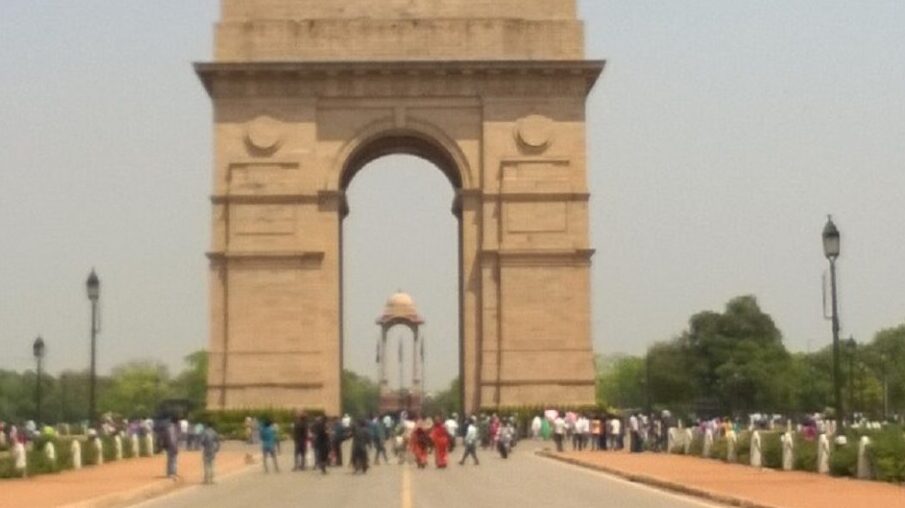
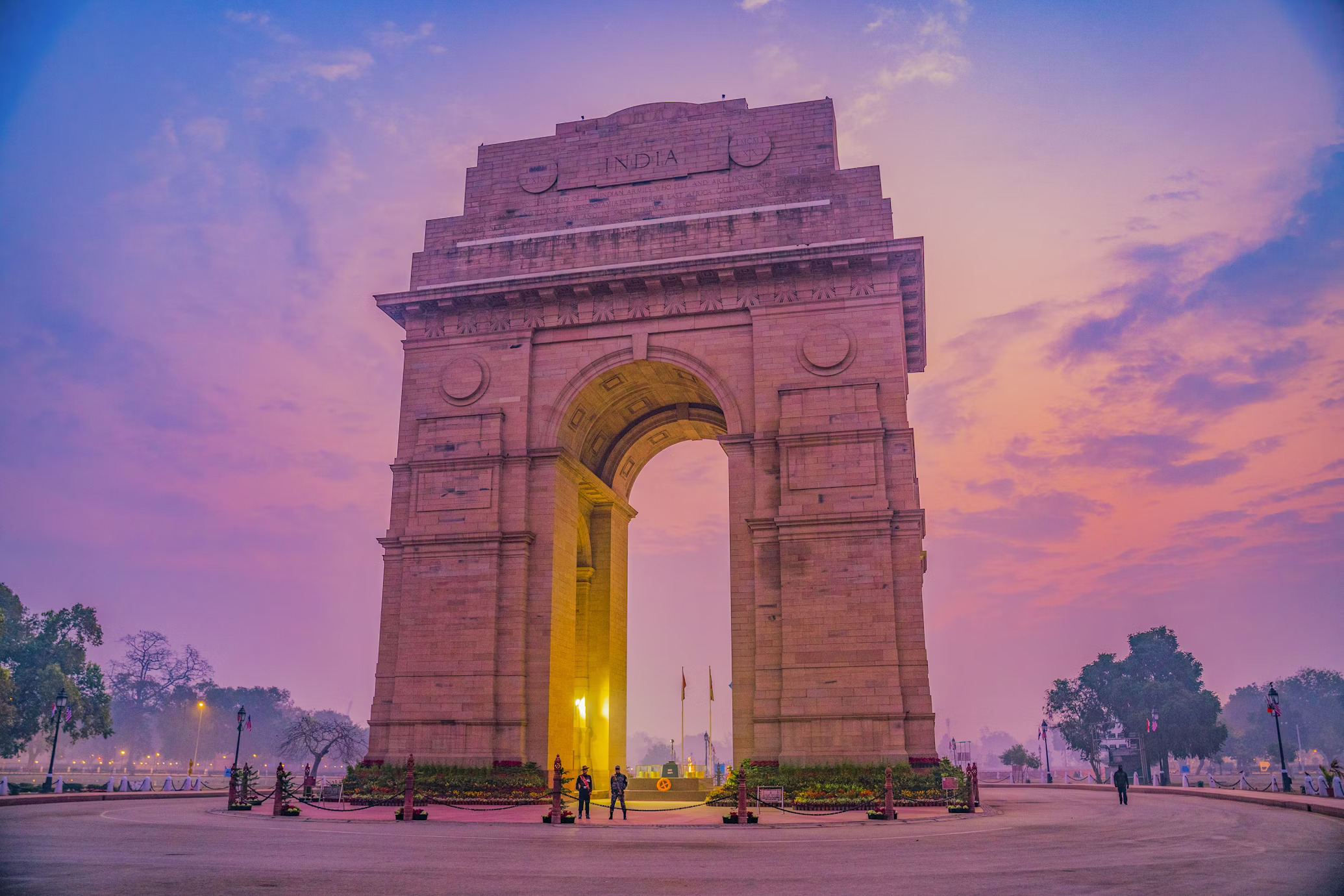
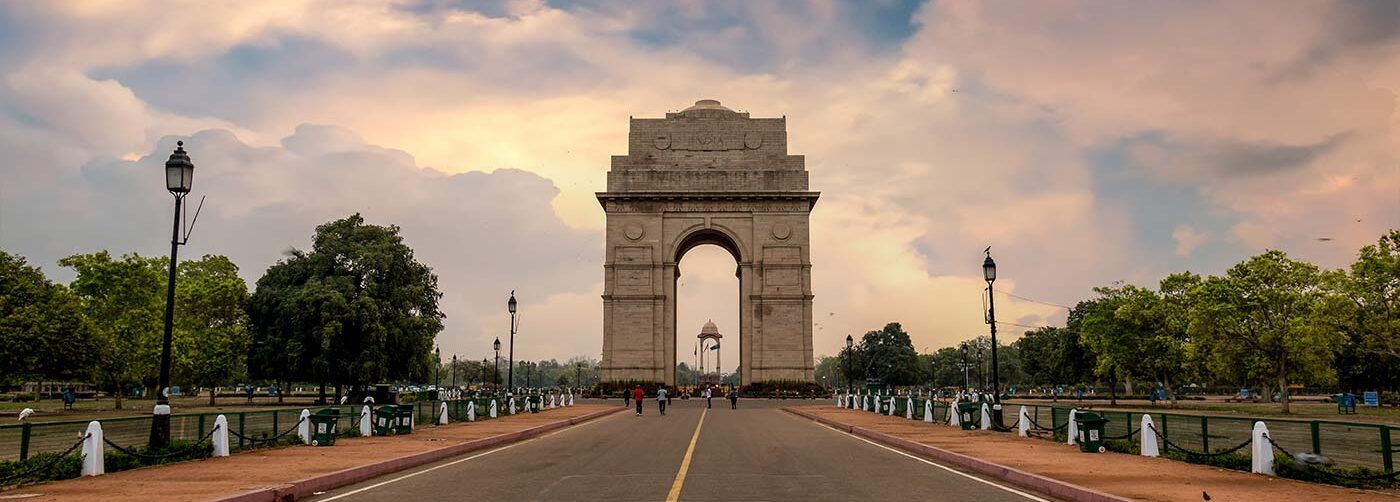
India Gate & Rajpath
War memorial and ceremonial boulevard, heart of New Delhi's imperial architecture.
🕒 💰Timings & Entry Fee:
- Open 24x7
- Free Entry
🎯 What To Do:
- Evening walks, picnics, boating in Children’s Park, photography and visiting Amar Jawan Jyoti.
🌟 Rryokou Tip:
- Best visited during sunset for golden hour photography. Weekends get crowded with families. Combine with nearby National Museum visits.
View Location (Rajiv Chowk Metro Station)
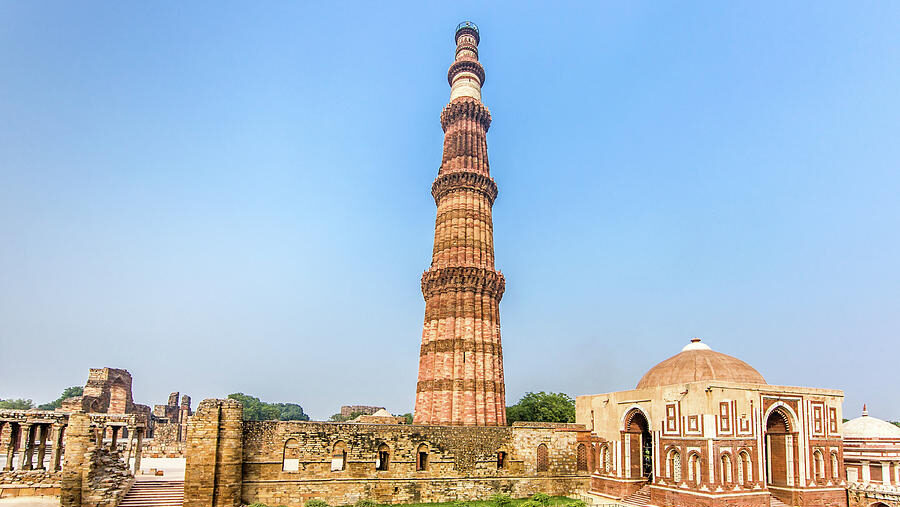
Qutub Minar
73-meter tall victory tower and UNESCO World Heritage site showcasing Indo-Islamic architecture.
🕒 💰Timings & Entry Fee:
- 7:00 AM – 5:00 PM
- Free for children below 15 years, Entry Fees for Indians, visitors of SAARC & BIMSTEC Countries is ₹50 (Cash Payment), ₹35 (Online Payment) and for others is ₹600 (Cash Payment) & ₹550 (Online Payment).
🎯 What To Do:
- Historical exploration, Indo-Islamic architecture & photography, guided heritage walks & admire the Iron Pillar.
🌟 Rryokou Tip:
- Early morning visits offer best lighting and fewer crowds. Climb restrictions apply. Combined with Mehrauli Archaeological Park exploration for a heritage walk.
View Location (Qutub Minar Metro Station)
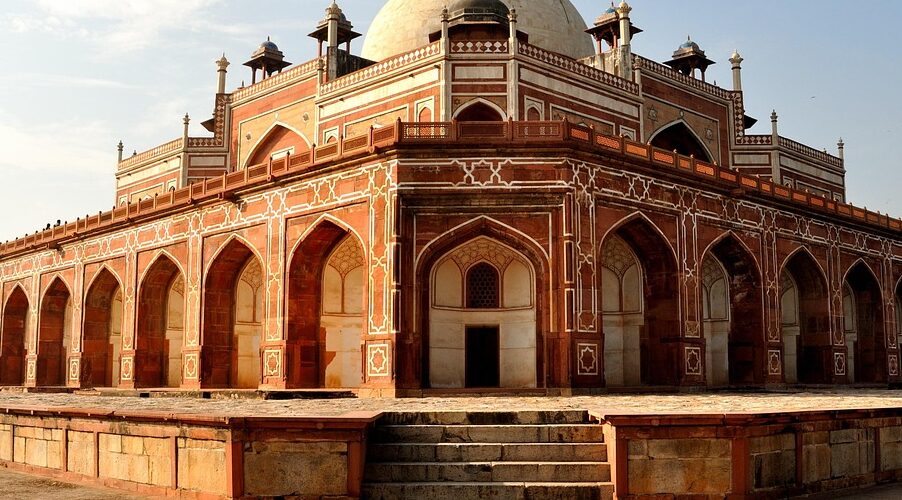
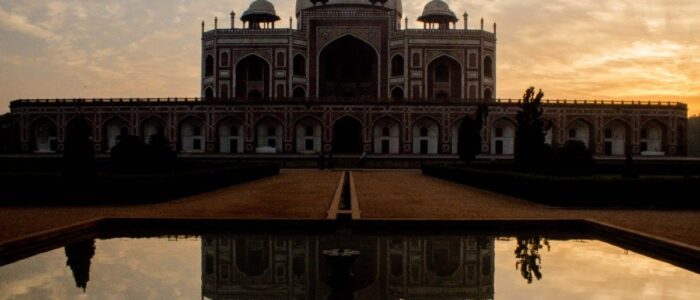
Humayun’s Tomb
Precursor to Taj Mahal and outstanding example of Mughal garden tomb architecture.
🕒 💰Timings & Entry Fee:
- Sunrise to Sunset
- Entry Fees for Indians is ₹40 & for Foreigners is ₹600
🎯 What To Do:
- Walk through Persian-influenced gardens, photograph the stunning mausoleum.
- Garden walks, architectural photography, peaceful contemplation.
🌟 Rryokou Tip:
- Late afternoon visits provide golden light. Combine with nearby Nizamuddin Dargah visit for cultural immersion. Less crowded than other monuments.
View Location (JLN Stadium Metro Station)
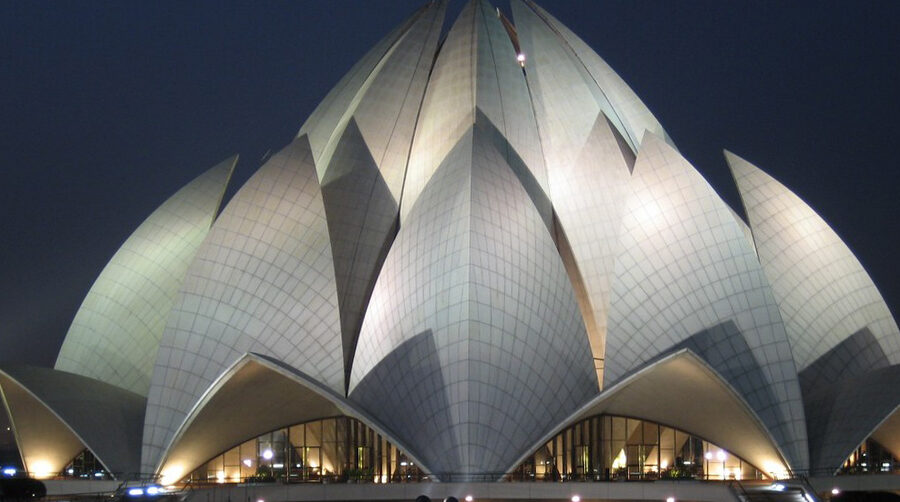
Lotus Temple (Bahai Temple)
Stunning lotus-shaped temple welcoming all faiths, architectural marvel of modern India.
🕒 Timings & Entry Fees:
- Open from Tuesday - Sunday (Monday Closed) & Timings are 9 AM - 5:30 PM
- Free Entry
🎯 What To Do:
- Meditation, architectural appreciation, peaceful reflection.
🌟 Rryokou Tip:
- Maintain absolute silence inside. No photography inside the temple. Best visited during late afternoon. Free entry and shoes must be removed.
View Location(Kalkaji Mandir Metro Station)
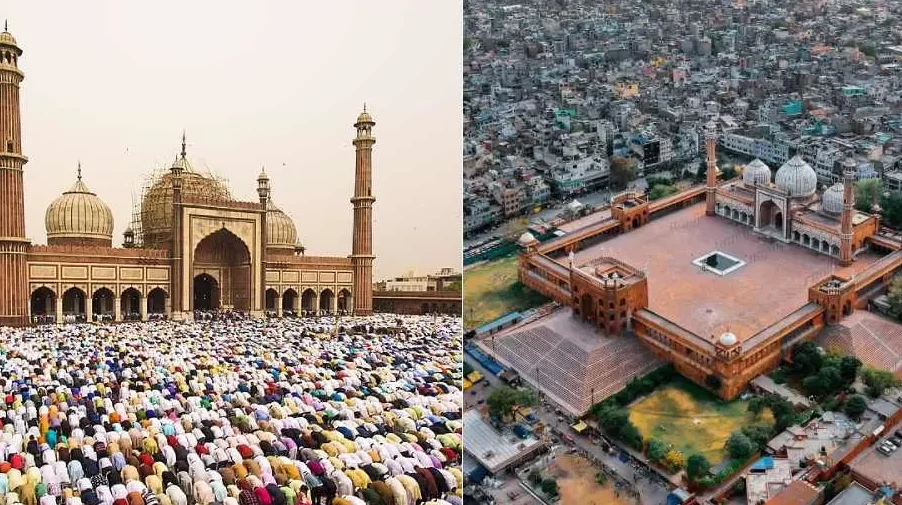
Chandni Chowk & Jama Masjid
Historic market street and India's largest mosque, epitome of Old Delhi's character.
🕒 💰Timings & Entry Fee:
- 9:00 AM – 8:00 PM
- Jama Masjid’s entry fees for Indians is Free, and for foreigners ₹400.
🎯 What To Do:
- Street food tours, shopping, shops for fabrics, spices, and traditional jewelry, mosque visits, heritage walks.
🌟 Rryokou Tip:
- Start early in the morning when the market is manageable. Hire cycle rickshaw for authentic experience. Dress modestly for a mosque visit.
View Location (Chandni Chowk Metro Station)
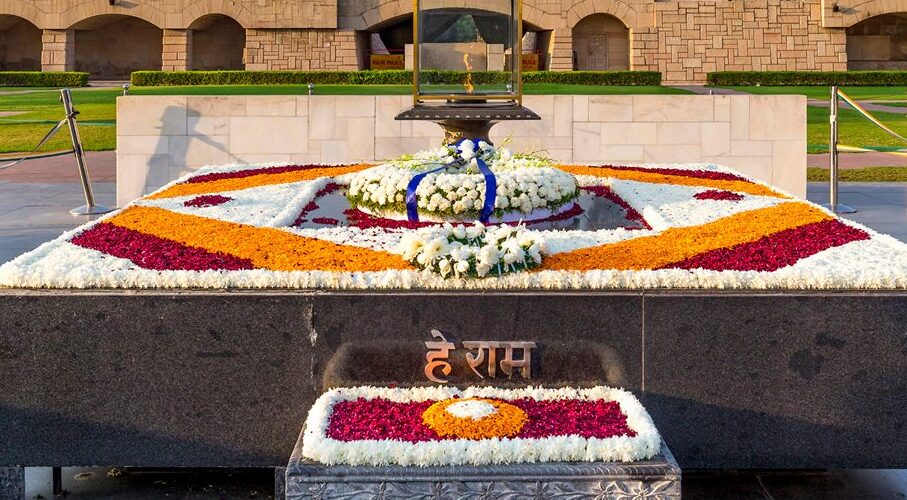
Raj Ghat
Memorial to Mahatma Gandhi at his cremation site, peaceful garden setting.
🕒 💰Timings & Entry Fee:
- 6:00 AM – 6:30 PM
- Free entry
🎯 What To Do:
- Pay respects, peaceful walks, historical reflection.
🌟 Rryokou Tip:
- Remove shoes and maintain silence. Early morning or late afternoon visits are most peaceful. Combined with Shanti Vana (Nehru's memorial) nearby.
View Location (Raj Ghat Metro Station)
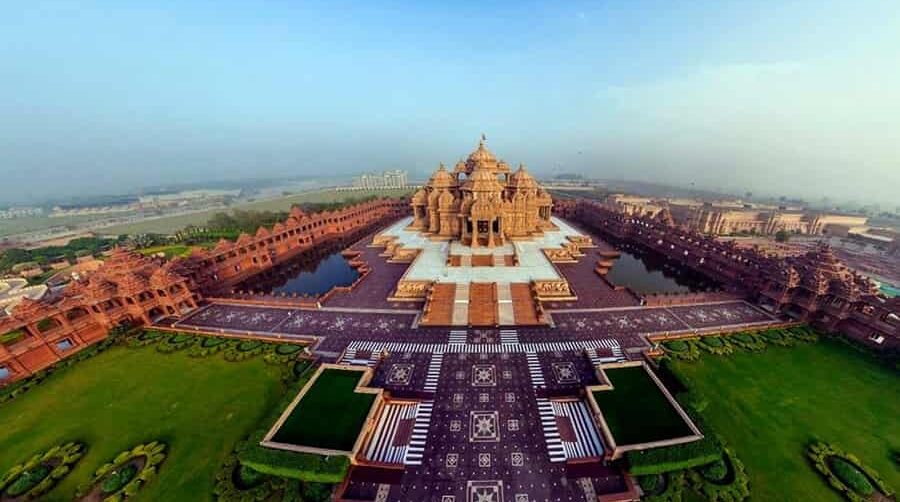
Akshardham Temple
Modern Hindu temple complex showcasing Indian culture, art, and spirituality.
🕒 💰Timings & Entry Fee:
- 10:00 AM – 6:30 PM (Closed on Mondays)
- Complex Entry is Free. Exhibition Entry Fee for Adults is ₹170, Senior Citizen is ₹125, Children (4-11 yrs) is ₹100 & for Children (Below 4 yrs) is Free.
- Entry Fees for Musical Fountain for Adults & Senior Citizen is ₹30, Children (4-11 yrs) is ₹20 & Children (Below 4 yrs) is Free.
🎯 What To Do:
- Temple exploration, cultural exhibitions, boat rides, IMAX shows.
🌟 Rryokou Tip:
- No cameras/phones allowed inside. Allow a full day for complete experience. Evening visits offer beautiful illumination.
View Location (Akshardham Metro Station)
🍜 Places To Eat
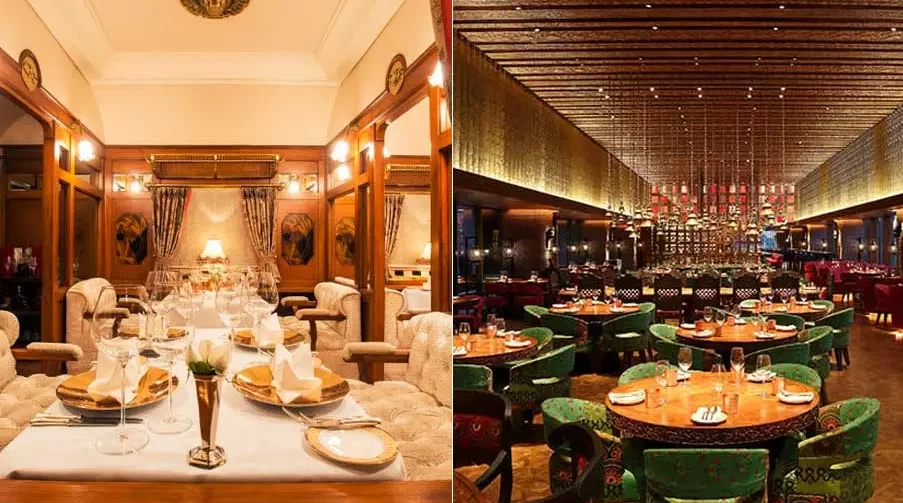
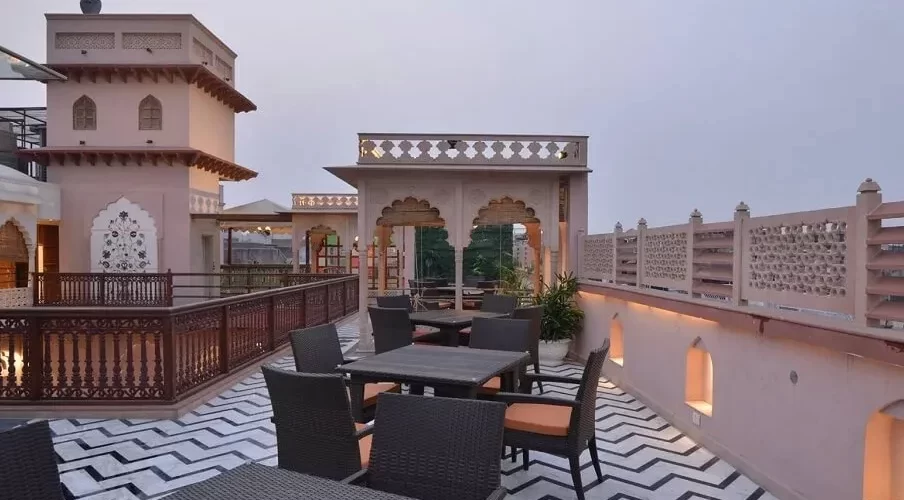
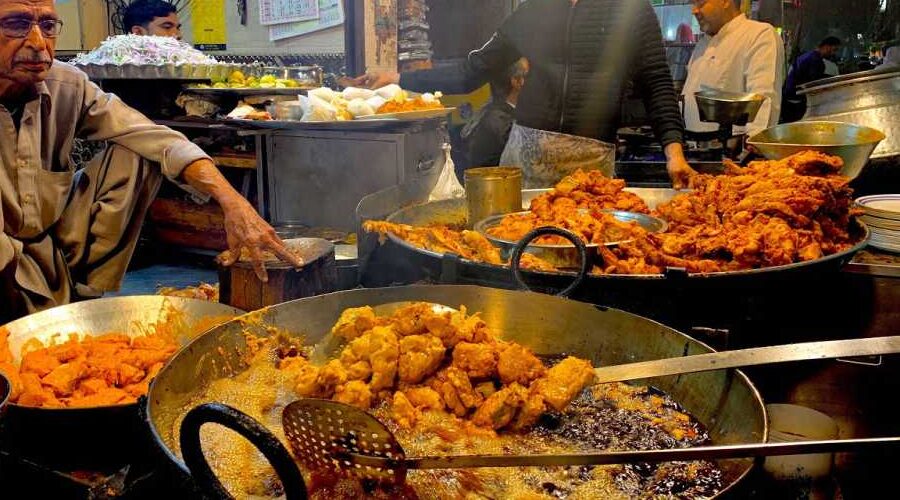
🍽️ Street Food Legends
- Paranthe Wali Gali: Historic lane famous for stuffed parathas
- Chandni Chowk: Chat, jalebi, and traditional sweets
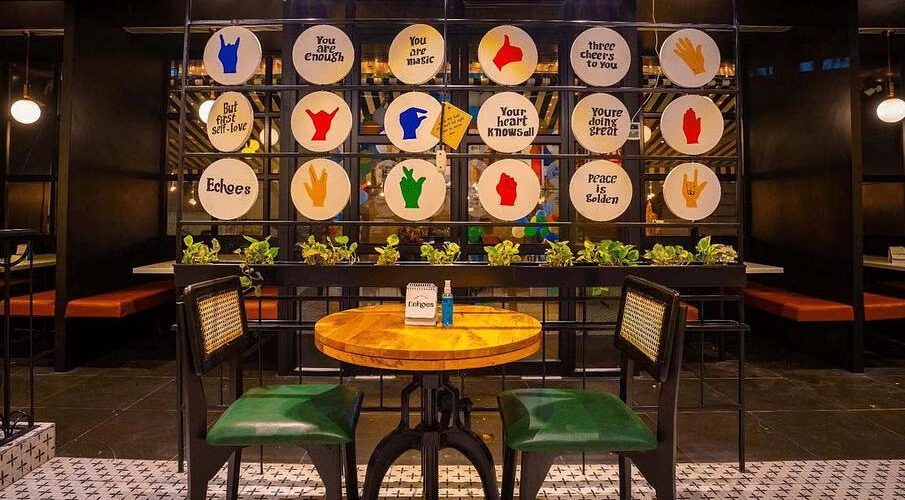
- Big Chill Cafe (Khan Market): Popular for pastas, desserts & lively ambience. Upscale food court and international options too.
- Sarojini Nagar: Budget street food with shopping
✨ Unique Experiences in Jodhpur (Rryokou Originals)
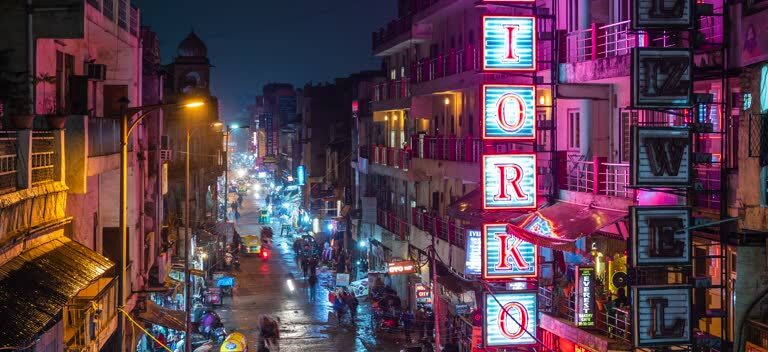
✅ Old Delhi Heritage Food Walk by Dawn Early morning culinary journey through awakening bazaars, experiencing breakfast traditions with local families and heritage recipes unchanged for generations.
✅ Monsoon Photography Workshop Professional-guided sessions capturing Delhi’s transformation during rains – from dramatic Red Fort silhouettes to bustling street life under colonial arcades.
✅ Parliamentary Heritage Tour Exclusive access to Parliament House and government buildings during session periods, understanding modern India’s democratic journey with insider perspectives.
✅ Artisan Quarter Discovery Guided visits to traditional craft neighborhoods where families maintain centuries-old techniques in metalwork, textiles, and miniature painting.
✅ Metro Poetry Journey Literary exploration using Delhi Metro as transport, visiting poetry cafes, book markets, and meeting local writers at literary hotspots across the city
🍲 Local Cuisine & Cafes

Must-Try Dishes
- Chole Bhature: Spicy chickpeas with fried bread, Delhi breakfast staple
- Paranthe: Stuffed flatbreads with various fillings from Chandni Chowk
- Aloo Tikki Chat: Potato patties with chutneys and yogurt
- Butter Chicken: Creamy tomato-based chicken curry, Delhi invention
- Rajma Chawal: Kidney bean curry with rice, comfort food favorite
- Kulfi Faluda: Traditional ice cream with vermicelli and rose syrup

Recommended Cafes
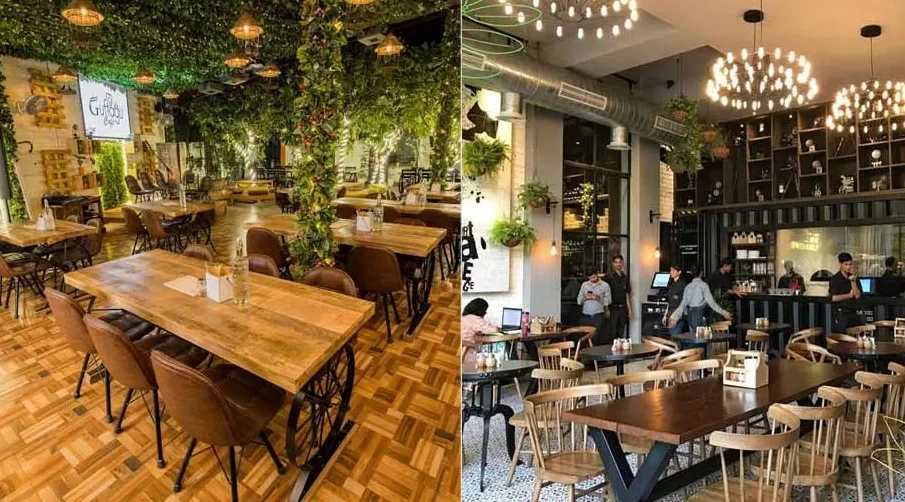
- Blue Tokai Coffee Roasters: Specialty coffee with multiple locations
- Café Turtle: Bookstore cafe with literary atmosphere
- Indian Coffee House: Retro charm with intellectual discussions
- Jain Chawal Wale: Famous for its Rajma Chawal
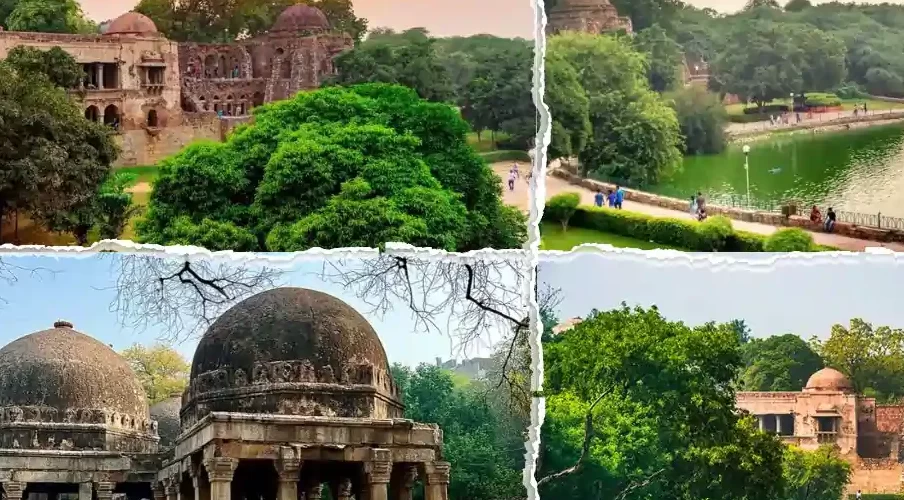
- Social (Hauz Khas): Hauz Khas Social famous for its location & with a stunning view of Hauz Khas monument & lake.
🌲 Hidden Gems/Less Crowded
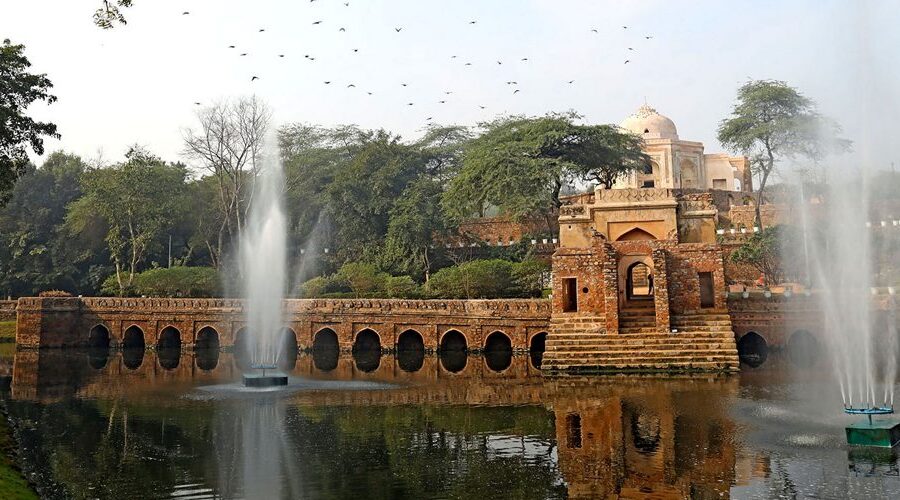
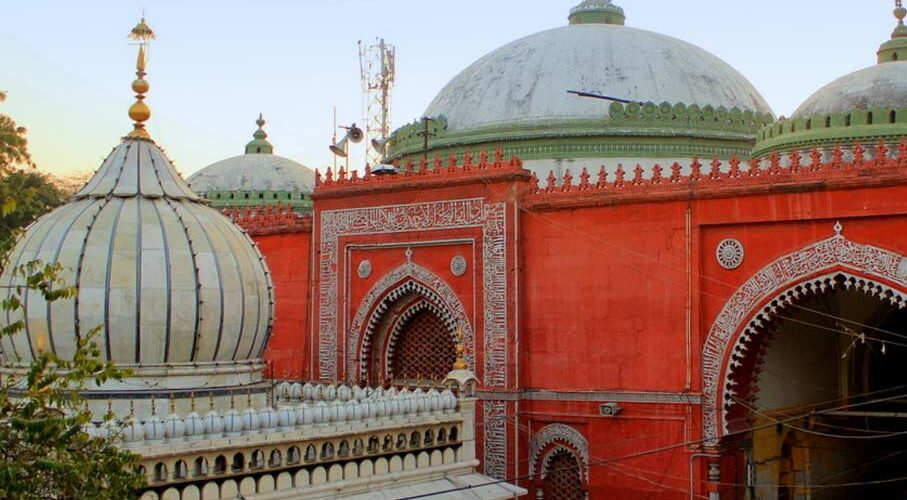
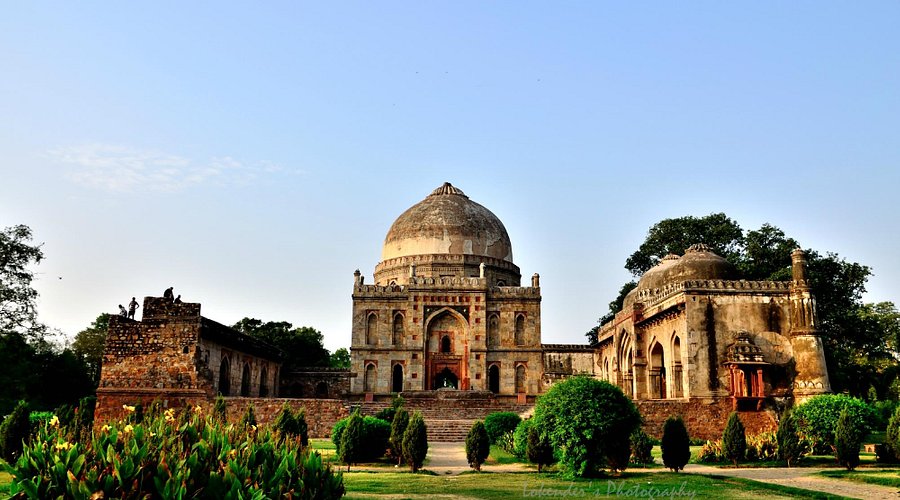
📷 Photo Spots to Pin
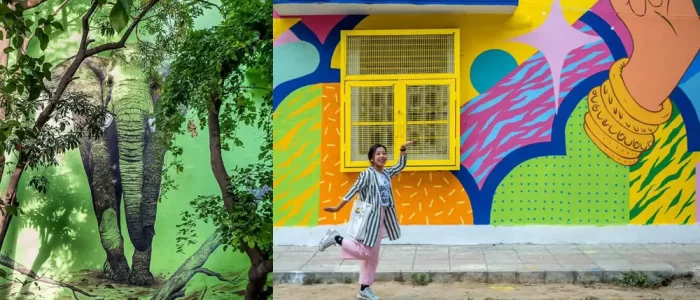
 Lodhi Art District’s graffiti walls
 Reflection shots at Humayun’s Tomb water channels
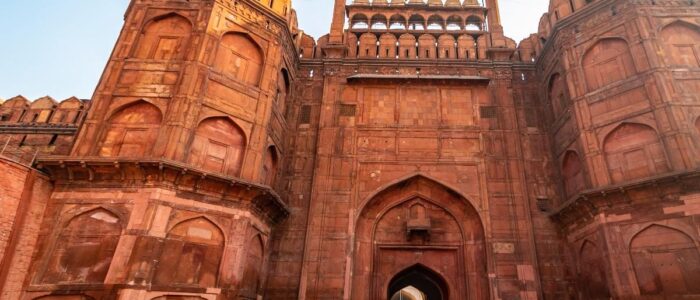
 Red Fort’s Lahore Gate
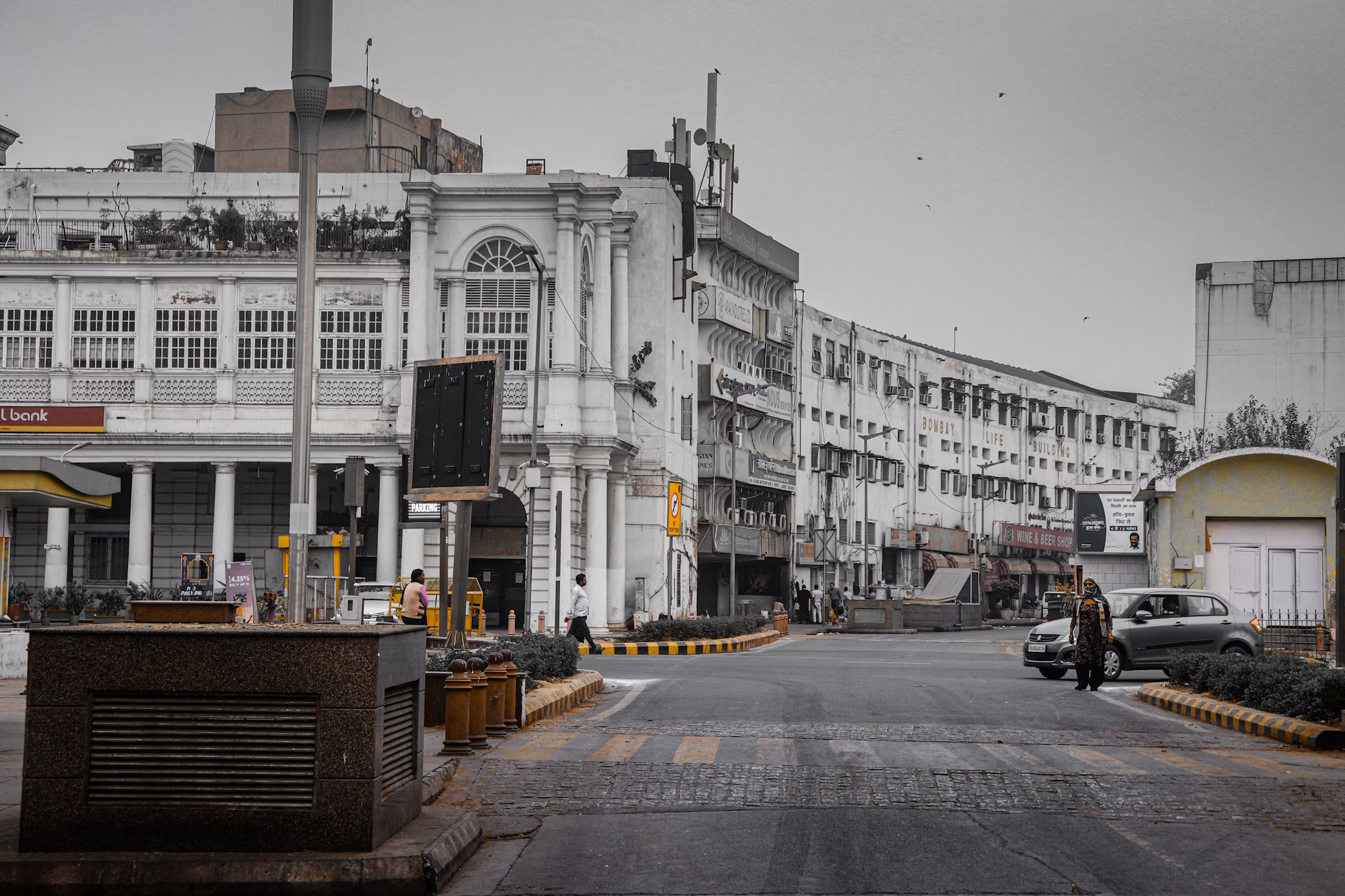
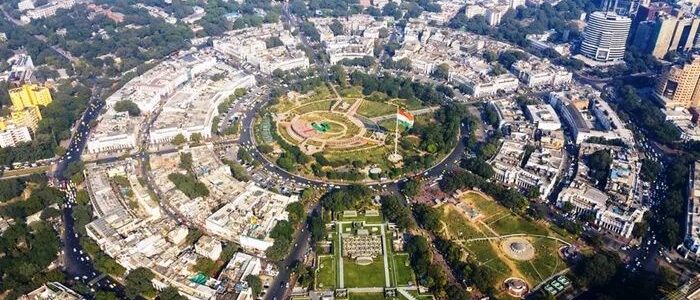
 Night views at India Gate & Connaught Place Inner Circle
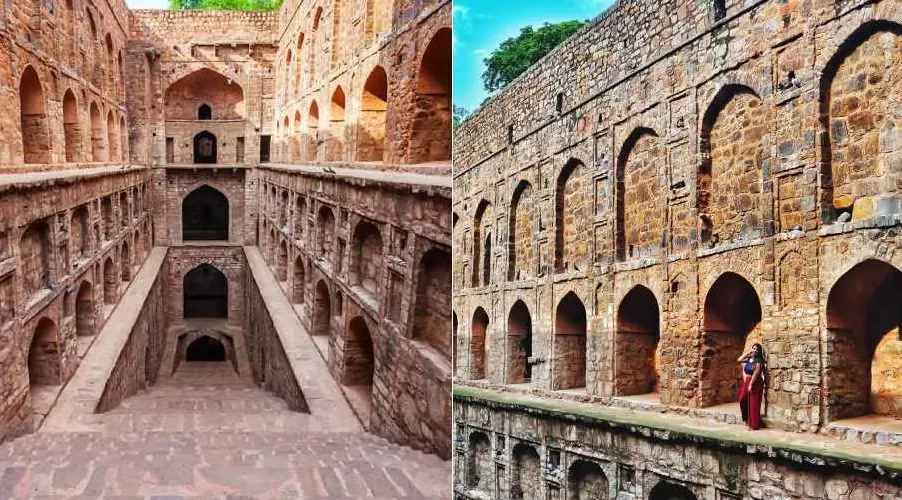
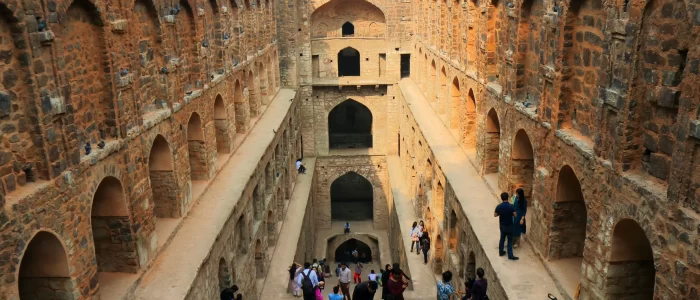
 Agrasen Ki Baoli’s symmetrical steps
 Connaught Place's Georgian colonial circular design

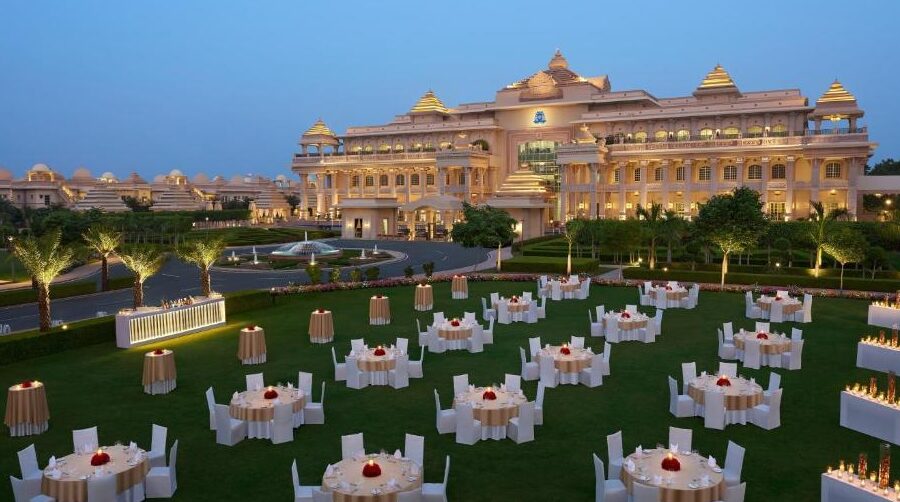
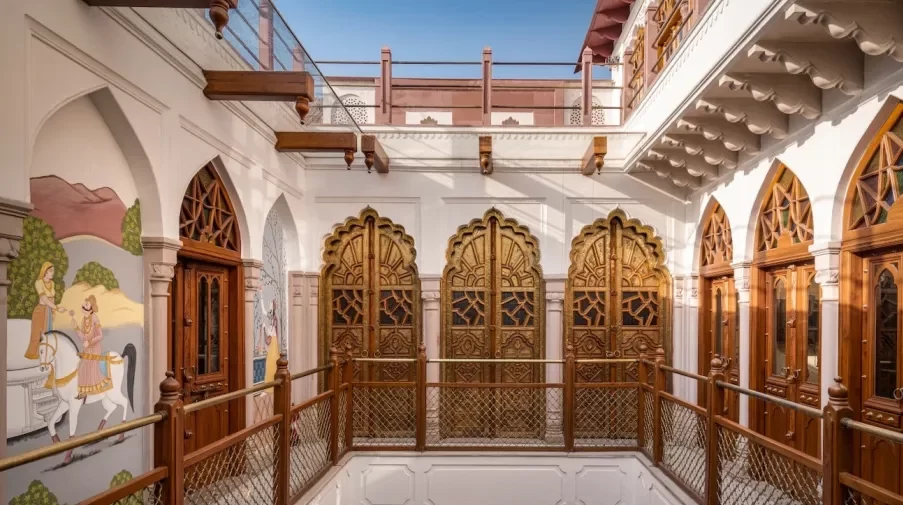
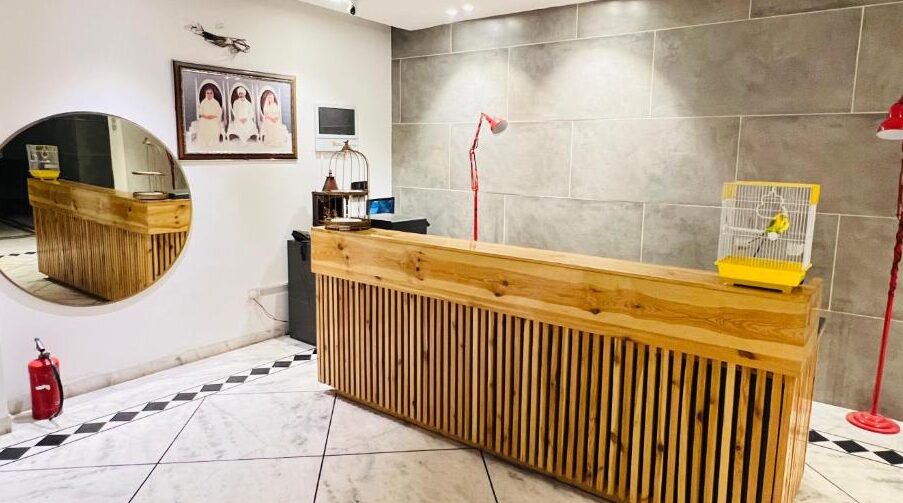
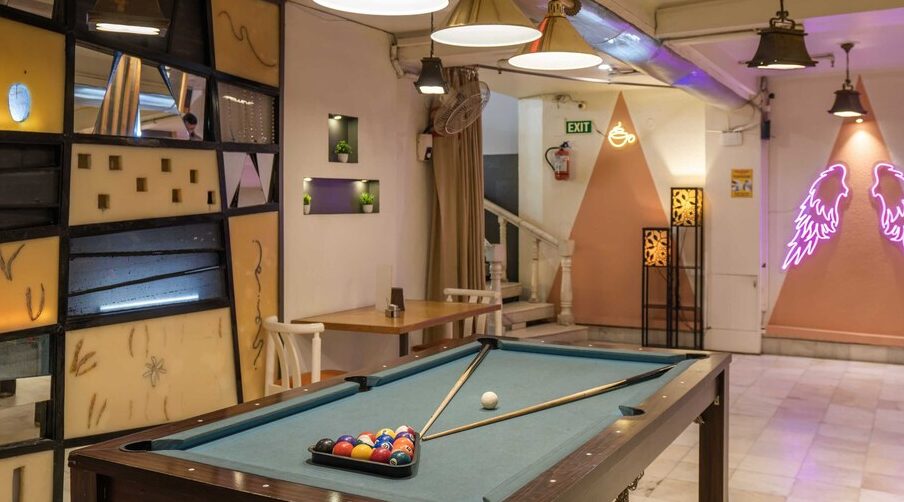
🛏 Stay Recommendations
🎒 What to Pack

- Light cotton wear & scarves (summer), layers for winter
- Comfortable walking shoes (a lot of exploring!)
- Power bank, sunscreen, water bottle
- Ethnic wear for cultural tours & photo sessions
✅ Rryokou Picks / Insider Tips (Rryokou Verified)
- Start Old Delhi tours early in the morning to avoid rush.
- For shopping, Khan Market for upscale shopping, Karol Bagh for traditional goods, Sarojini Nagar for budget fashion. Negotiate prices in markets but not in government emporiums. Thursday markets in various neighborhoods offer unique finds. Also avoid weekends at popular markets like Sarojini and Lajpat Nagar.
- Book Sufi evenings or Thursday evening qawwali at Nizamuddin Dargah in advance for authentic cultural immersion.
- Delhi Metro is the fastest and safest mode for intercity travel. Get a smart card for seamless travel. Avoid peak hours (8-10 AM, 6-8 PM) when possible. App-based cabs are reliable but surge pricing applies during rush hours and bad weather.
- Government museums and monuments are very affordable. Student discounts available with valid ID. Local buses are the cheapest form of transport but they are crowded. Street food offers incredible value for authentic experiences.
- Free WiFi available in most metro stations and government monuments. Local SIM cards offer better data rates than international roaming. Khan Market has reliable internet cafes for backup.
Discover the incredible tapestry of Delhi with Rryokou – where every street corner whispers stories of empires, every meal tells tales of cultural fusion, and every monument stands as testimony to India’s magnificent journey through time.