
 US
US CA
CA NZ
NZ AU
AU ZA
ZA CH
CH FR
FR JP
JP TH
TH NP
NP BR
BR AR
AR ID
ID MX
MX KE
KE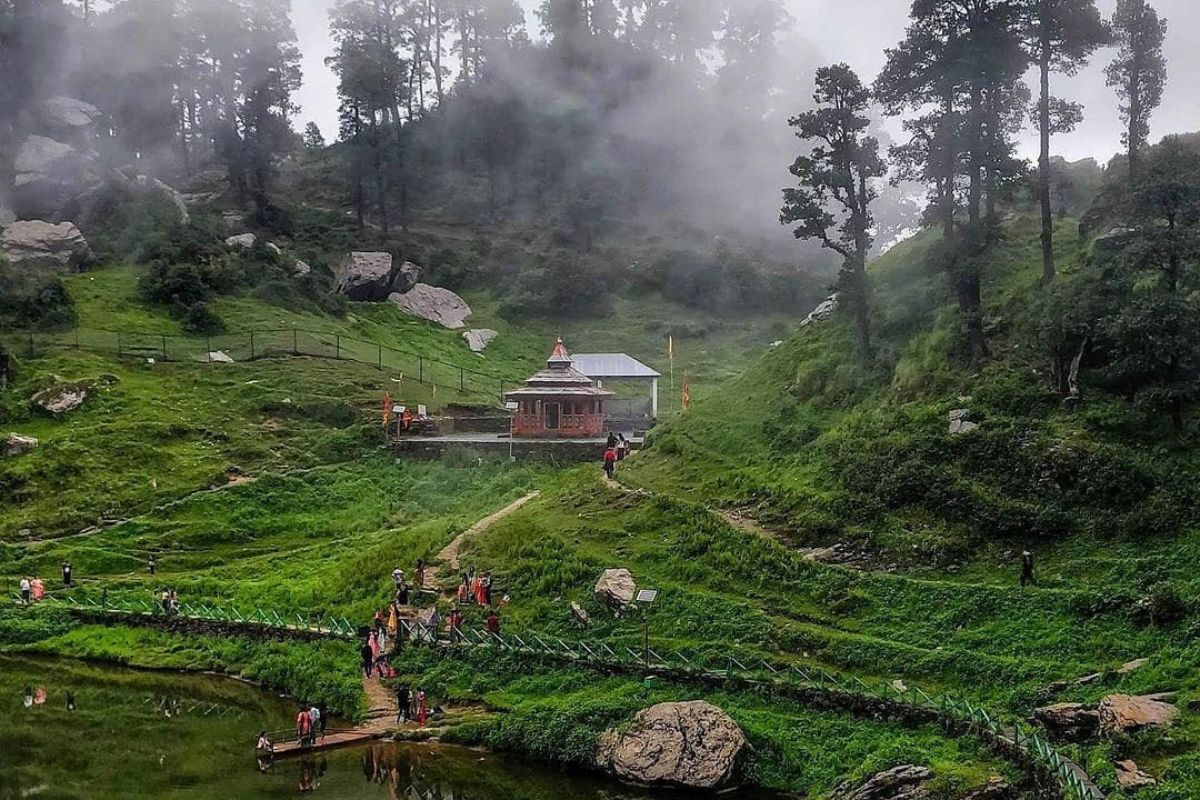
📍 About & Historical Insights
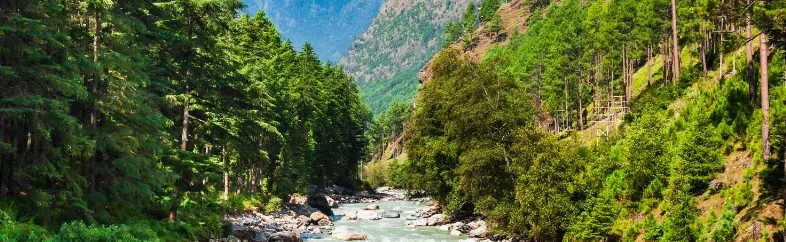
Nestled in the heart of Himachal Pradesh’s Kullu district, Tirthan Valley is a tranquil escape named after the pristine Tirthan River, a tributary of the Beas. Once part of the ancient Himalayan trade routes, the valley remained untouched for decades, hidden away from tourist maps. It later gained slow recognition due to its proximity to the Great Himalayan National Park (GHNP) — now a UNESCO World Heritage Site.
Tucked away in the Chamba district of Himachal Pradesh, A short drive from here lies Khajjiar, often called “India’s Mini Switzerland,” with its vast meadows, deodar trees, and lake fringed by floating island grass. Dalhousie was established in 1854 by the British as a summer retreat, and today, it offers a serene blend of nature, heritage, and alpine charm.Read More
🕰 Best Time to Visit
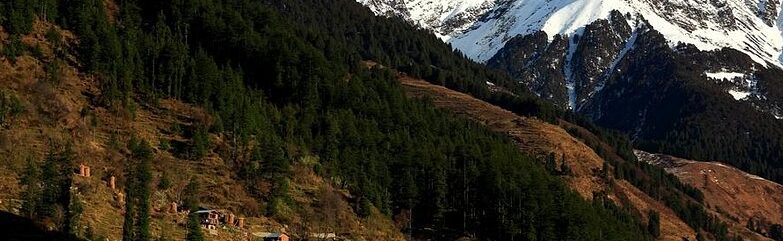
Summer (March to June) is considered the ideal time for most travelers. Lush greenery, pleasant weather, ideal for trekking & riverside stays. The lush green meadows and blooming apple orchards create a picturesque landscape during this season.
Monsoon (July to August) should generally be avoided due to heavy rainfall, which can make roads slippery and limit outdoor activities.
Autumn (September to November) provides another excellent window for visiting, with clear skies, comfortable temperatures, and stunning views of the surrounding peaks. This season is ideal for trekking and outdoor activities with fewer crowds.Read More
Winter (December to February) brings snowfall to the valley, creating a magical winter wonderland. While some areas may become inaccessible, it's perfect for those who want to experience the valley's snow-covered beauty and enjoy the cozy warmth of mountain homestays.
🛣 Transport Tips / How to Reach
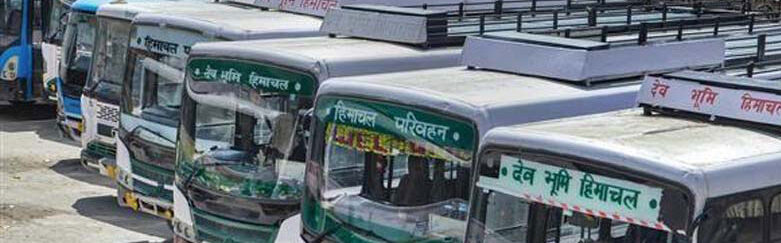
- By Air: The nearest airport is Bhuntar Airport (Kullu-Manali Airport), approximately 50 km from Tirthan Valley. From the airport, you can hire a taxi or take a bus to reach the valley
- By Train: The nearest railway station is Joginder Nagar, about 144 km away. However, most travelers prefer to reach by road from major cities. Better railheads are Chandigarh or Pathankot, then continue by road.
  ● By Road (Best Option):
            ○ From Delhi: Take NH44 to Chandigarh, then NH205 to Mandi, and finally the road to Aut via Aut Tunnel. The total distance is approximately 520 km (10-12 hours drive).

            ○ From Chandigarh: Drive via Bilaspur, Sundernagar, and Mandi to reach Aut, then continue to Tirthan Valley. Total distance is approximately 275 km, (6-7 hours).

            ○ From Manali: Take the route via Aut tunnel, but do not enter the tunnel - take a right turn just before the tunnel following signs to Tirthan Valley.

Local Transport:

    ● Local buses and shared taxis are available from Aut to various villages in Tirthan Valley

    ● Private taxis can be hired for more convenience

    ● Many accommodations provide pickup services from Aut or Bhuntar

Rryokou Tips:
    ● After Aut, phone signals drop. Download offline maps and keep emergency contacts handy.

    ● The roads can be narrow and winding, especially after leaving the main highway

    ● Keep asking locals for directions as GPS may not be entirely reliable

    ● Carry motion sickness medication if you're prone to motion sickness

    ● Check road conditions during monsoon and winter months
Read More
📸 Key Attractions
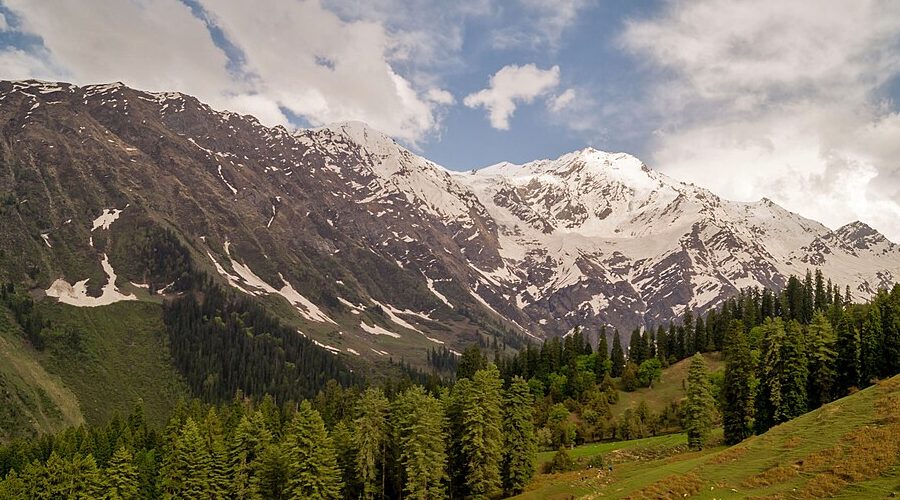
🌲Great Himalayan National Park(GHNP)
A UNESCO World Heritage Site, GHNP is the soul of Tirthan Valley. Spread over 1,100 sq. km, it's home to rare species like the snow leopard, Himalayan tahr, and monal. This untouched wilderness offers immersive trekking experiences and raw Himalayan beauty.
📍 Location:
Kullu District, Himachal Pradesh. Main entry points through Gushaini (8 km from Banjar) and Shairopa village.
🕒 💰Timings & Entry Fee:
- 10 AM – 5:30 PM (All Days and entry allowed only during daylight)
- ₹100 (Indians), ₹400 (Foreigners), ₹50 (Indian students), ₹250 (Foreign students), Trekking fees extra
- Permits required from park offices at Shamshi, Shairopa, or Ropa
- Additional charges apply for photography and videography
🎯 What To Do:
- Multi-day treks to Rolla, Raktisar, Shilt, Rakhundi and other high-altitude destinations
- Nature trails, wildlife spotting, birdwatching
- Nature photography and botanical exploration
- Camping at designated sites within the park
- Educational nature walks with certified guides
🌟 Rryokou Tip:
Book permits in advance during peak season. Start early and take a certified guide — they help you spot birds and avoid wrong trails. GHNP doesn’t have shops, so carry water and snacks. Pack warm clothes even in summer as temperatures drop significantly at higher altitudes.
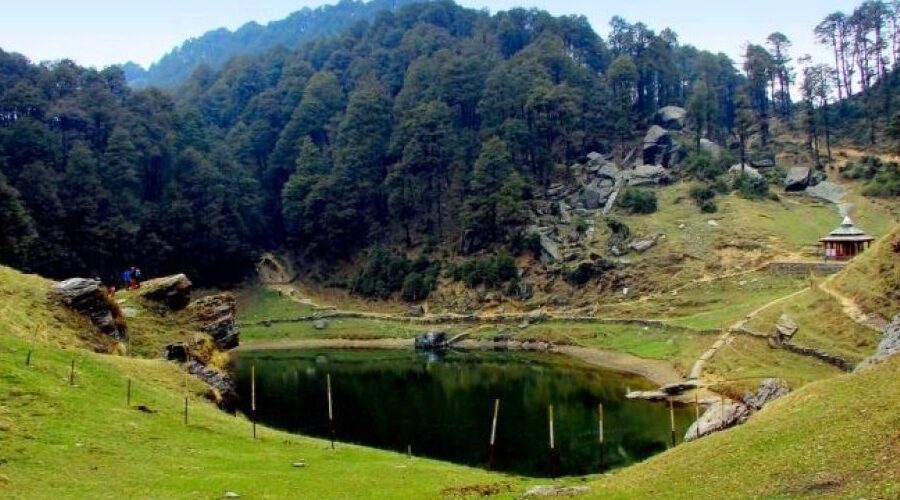
🛣️ Jalori Pass
At 10,800 ft, this high-altitude mountain pass connects the Tirthan and Seraj Valleys. It's known for snow in early summer and epic views of the Dhauladhar ranges.
📍 Location:
24 km from Banjar via Shoja village. Accessible by road (although narrow and winding).
🕒 Timings & Entry Fees:
- Accessible during daylight (6:00 AM - 7:00 PM), closed during heavy snowfall (Dec–Feb)
- No entry fees for the pass
🧭 What to Do:
- Panoramic photography of Himalayan ranges
- Trek to Serolsar Lake (5 km)
- Visit ancient Jalori Mata Temple
- Starting point for multiple treks
- Enjoy local snacks/Maggi at roadside dhabas
- Sunset and sunrise viewing
- Adventure activities like paragliding (seasonal)
📸 Rryokou Tip:
- If driving, start early to avoid afternoon traffic and enjoy clear mountain views before clouds set in.Roads are narrow and foggy post-noon.
- For snow, go in April & for green meadows, try June.
- Carry warm clothes even in summer as temperatures drop significantly.
- Best sunrise views are around 5:30-6:00 AM. Local dhabas serve authentic Himachali food.
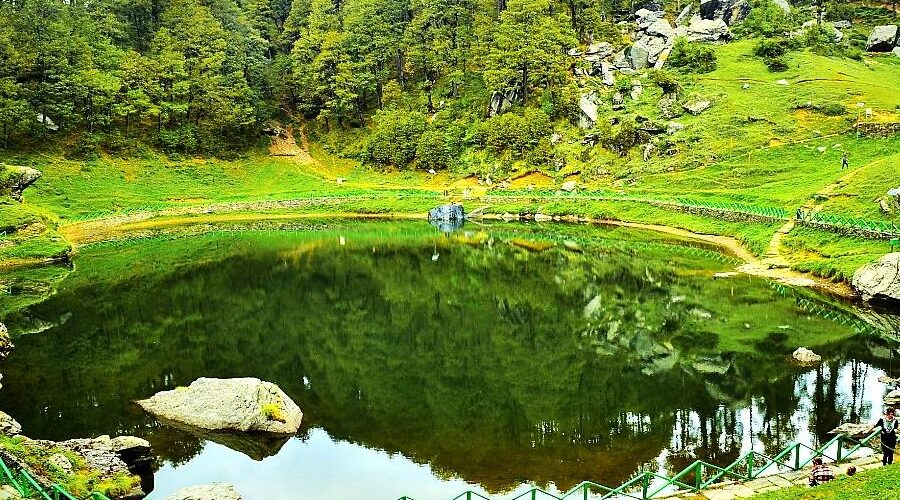
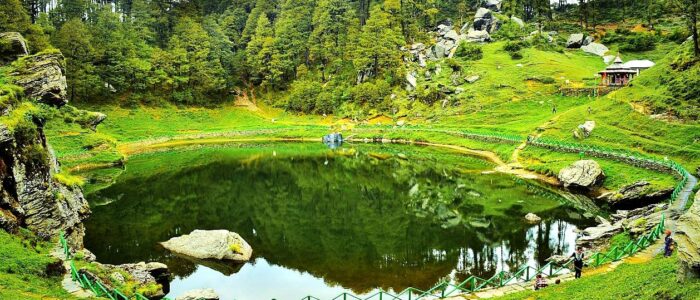
🏞️ Serolsar Lake
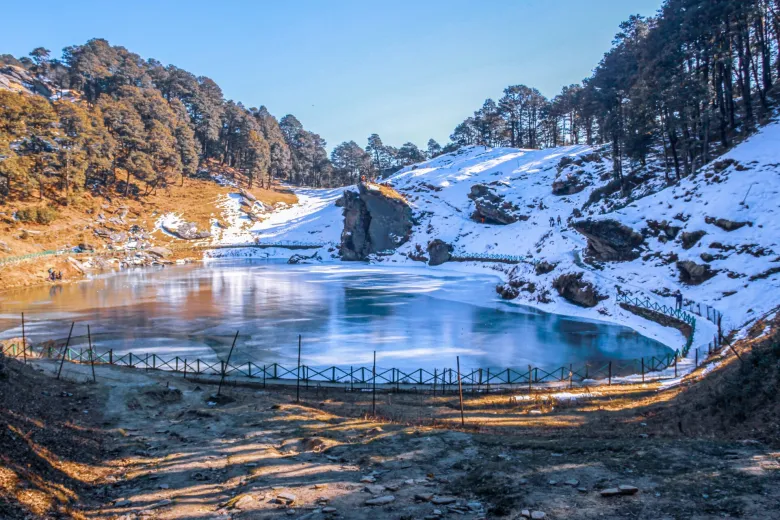
A sacred, high-altitude lake located at 10,170 feet, surrounded by dense forests and believed to be self-cleaning. It’s reached via a scenic hike from Jalori Pass.
📍 Location:
5 km trek from Jalori Pass (3,120 meters altitude). Jalori Pass is accessible by road from Banjar via Shoja.
🕒 Timings & Entry Fees:
- Early morning start recommended (6:00 AM - 7:00 AM)
- 2-3 hours one way, 5-6 hours round trip
- No entry fee for the lake itself
- Accessible April to November (snow-covered in winter)
🎯 What To Do:
- Moderate trekking through alpine forests
- Photography of lake reflections and surrounding peaks
- Meditation and spiritual experiences, visit Budhi Nagin temple
- Bird watching (various Himalayan species)
- Picnicking by the lake shore
- Camping (with proper permits)
🌟 Rryokou Tip:
- Start early to avoid afternoon mist that can obscure views.
- Carry sufficient water and snacks as there are no facilities on the trail.
- The trail behind the temple at Jalori Pass is the correct route - ask locals if unsure.
- Don’t litter — locals believe the lake ‘throws out’ anything impure.
- Try forest-foraged berries on the trail, sold by local women.
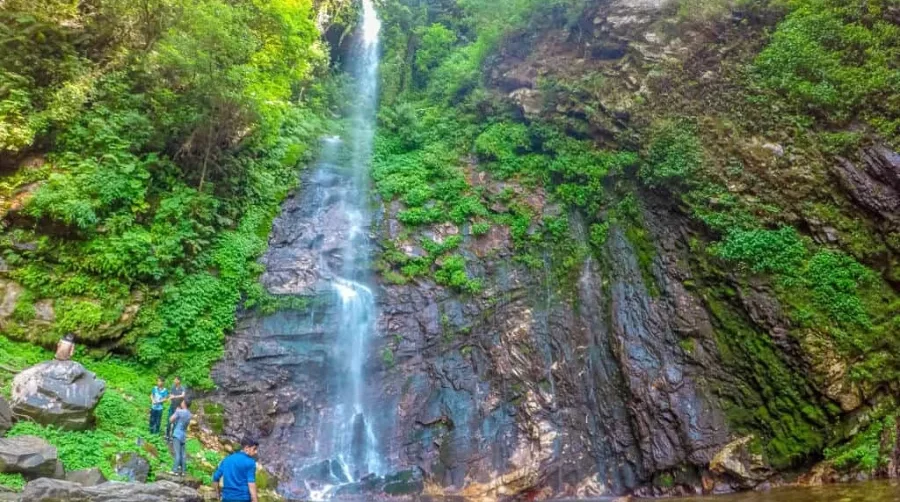
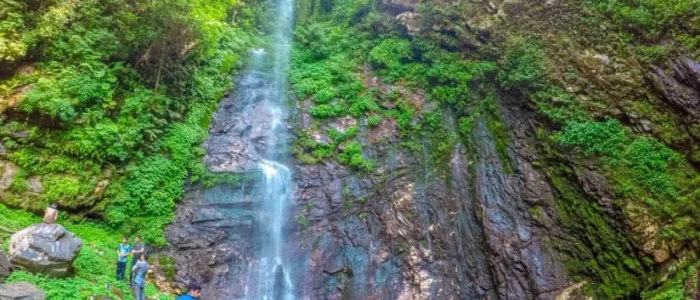
💧 Chhoie Waterfall
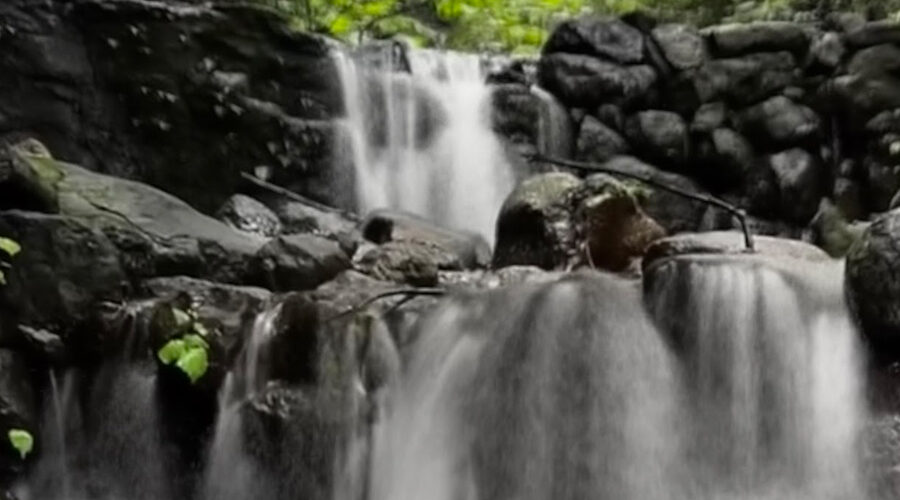
A spectacular multi-tiered waterfall cascading down rocky cliffs from a height of approximately 300 feet. The waterfall creates a misty environment and is surrounded by lush green vegetation, making it a perfect spot for photography and relaxation.
📍 Location:
1 km trek from Jibhi village. Follow the trail towards the waterfall signboards.
🕒 Timings & Entry Fees:
- Best time to visit waterfall is 8:00 AM - 6:00 PM
- July to September is the peak season (maximum water flow)
- No entry fees
- Trek duration is 30-45 minutes one way
🎯 What To Do:
- Photography of waterfall and surrounding greenery
- Natural shower under waterfall streams
- Rock climbing on nearby boulders
- Picnicking in the waterfall area
- Bird watching in surrounding forest
- Meditation in the natural amphitheater
🌟 Rryokou Tip:
- Visit during or just after monsoon for maximum water flow and dramatic effect.
- Wear proper trekking shoes as rocks can be slippery.
- Early morning visits offer better lighting for photography.
- Pack extra clothes if you plan to get wet under the falls.
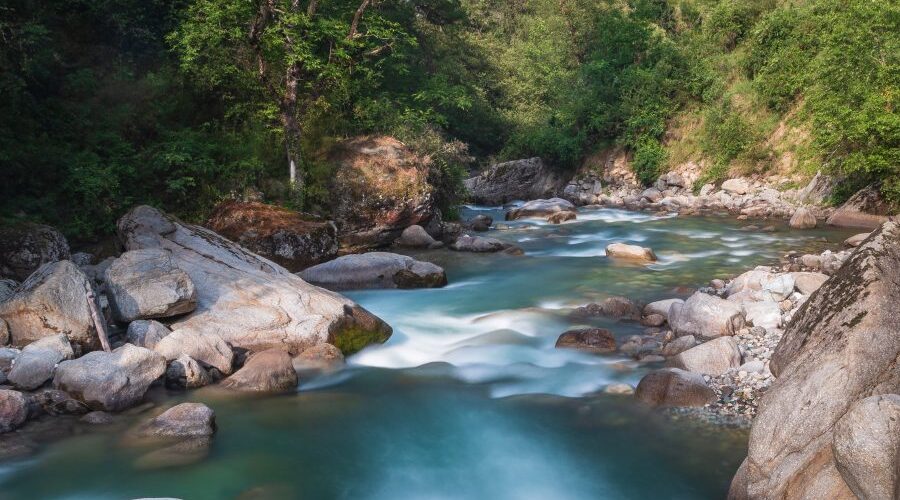
🎣 Tirthan River
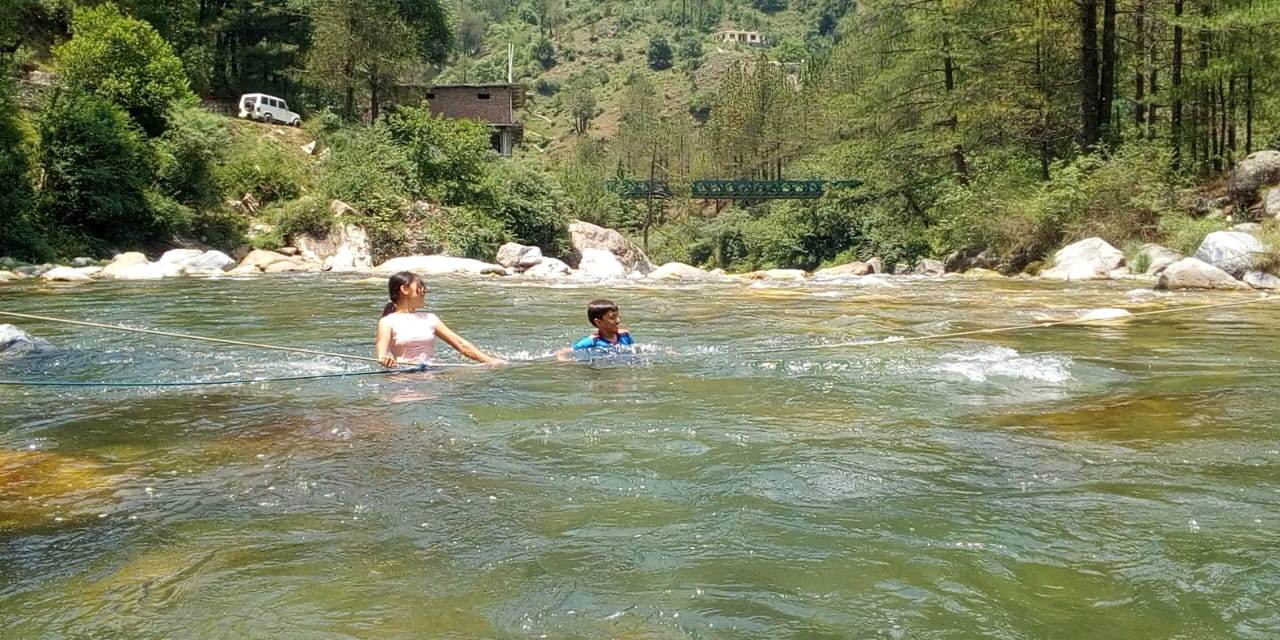
The lifeline of the valley, this crystal-clear mountain river is famous for trout fishing and offers some of the most pristine angling experiences in India.
📍 Location:
Flows through the entire Tirthan Valley, easily accessible from villages like Gushaini, Nagni, and Banjar.
🕒 Timings & Entry Fees:
- Best fishing time is early morning (5:00 AM - 8:00 AM) and evening (5:00 PM - 7:00 PM)
- March to June and September to November is the best season to visit
- Willing to do fishing, permit will require from fisheries department (₹500-1000/day)
- For fishing, equipment will easily accessible locally on rent (₹200-500/day)
🎯 What To Do:
- Trout fishing (catch and release policy)
- River-side camping and picnicking
- Photography of river landscapes
- Nature walks along riverbanks
- White water activities (during monsoon season)
- Meditation by flowing water
🌟 Rryokou Tip:
- Learn the proper catch-and-release technique from local guides to preserve fish populations.
- Best fishing spots are upstream from Gushaini village.
- Carry insect repellent for evening fishing sessions.
- Local homestay hosts can provide traditional fishing equipment and teach authentic techniques.
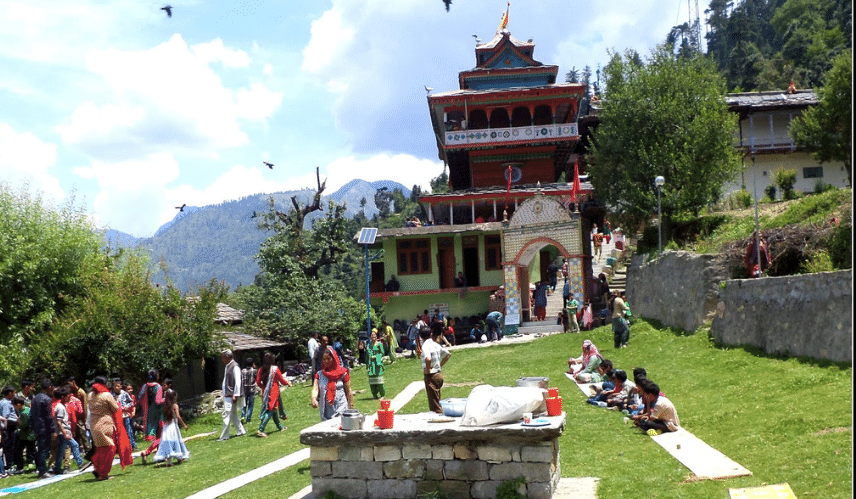
⛩️ Shringa Rishi Temple
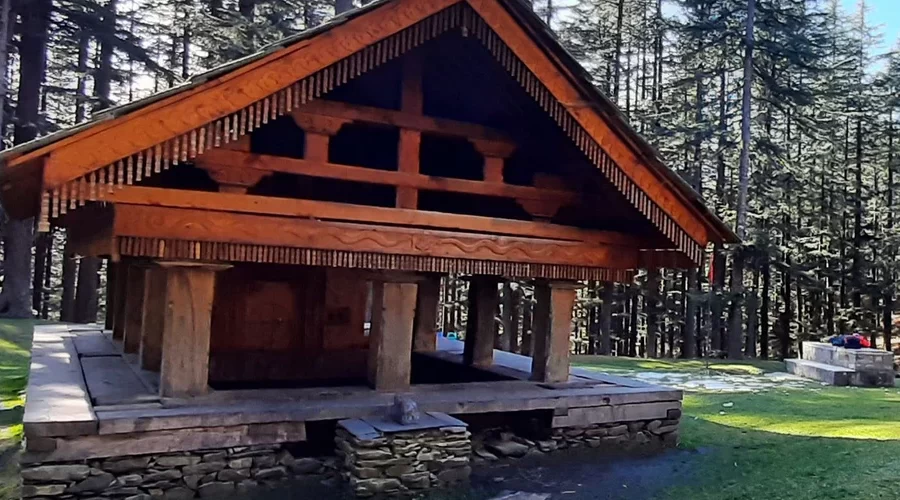
A sacred temple dedicated to the patron deity of Banjar Valley. It has stunning wooden carvings and is central to many local festivals.
📍 Location:
Bagi Village, 5 km from Banjar
🕒 Timings & Entry Fees:
- 9 AM – 6 PM
- Free
🎯 What To Do:
- Explore wooden Himachali architecture, attend a local festival if timed right
📌 Rryokou Tip:
- Don’t click photos inside the sanctum without permission. Engage with temple caretakers — they’ll share interesting legends.
🍜 Places To Eat
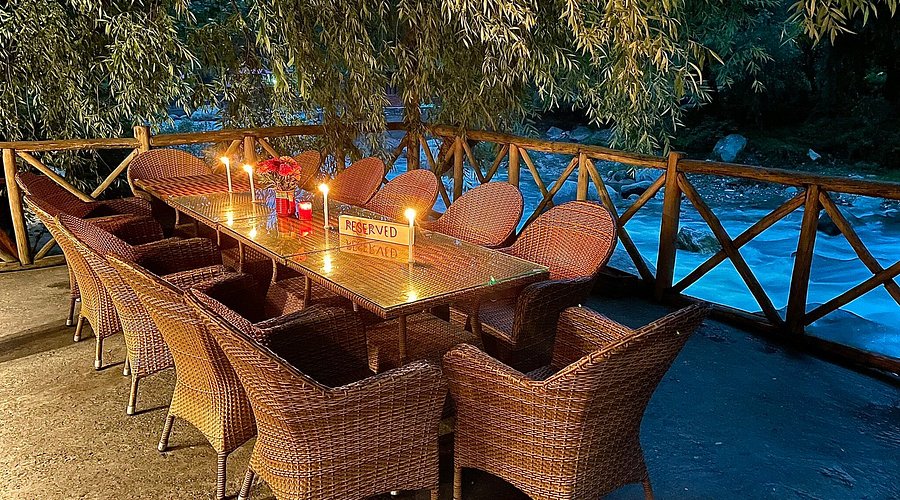
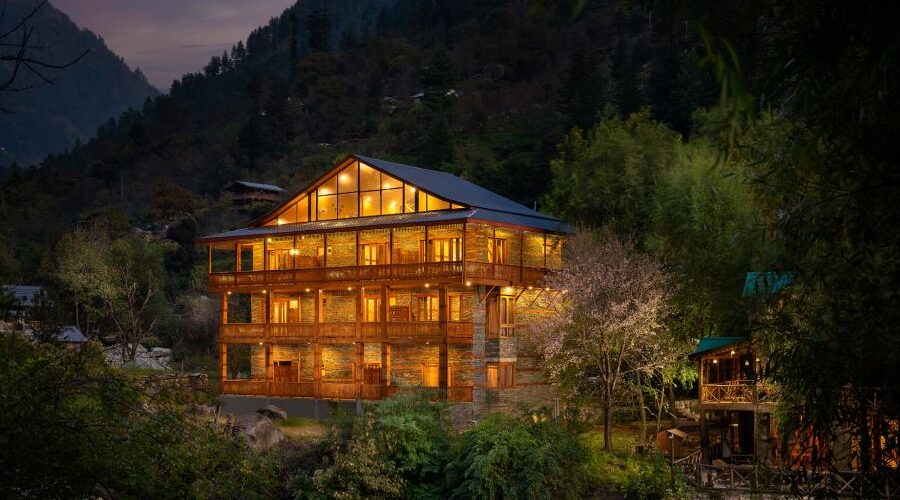
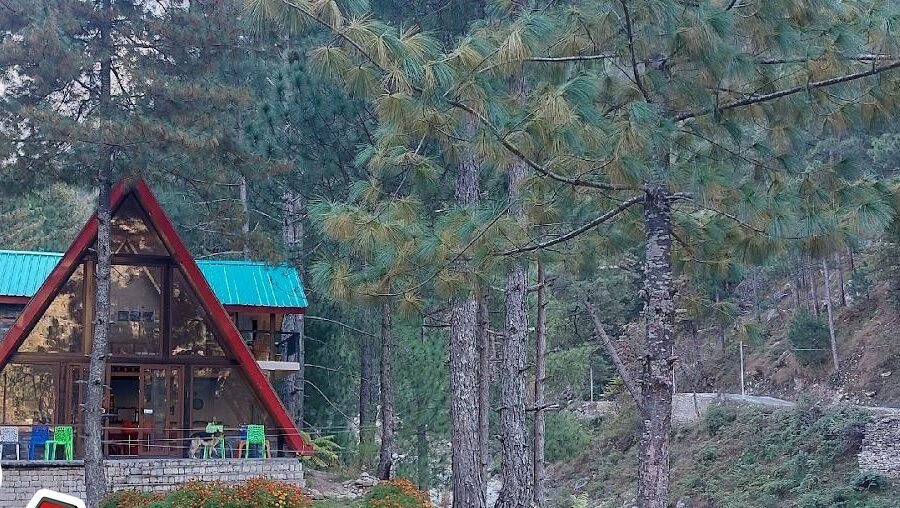
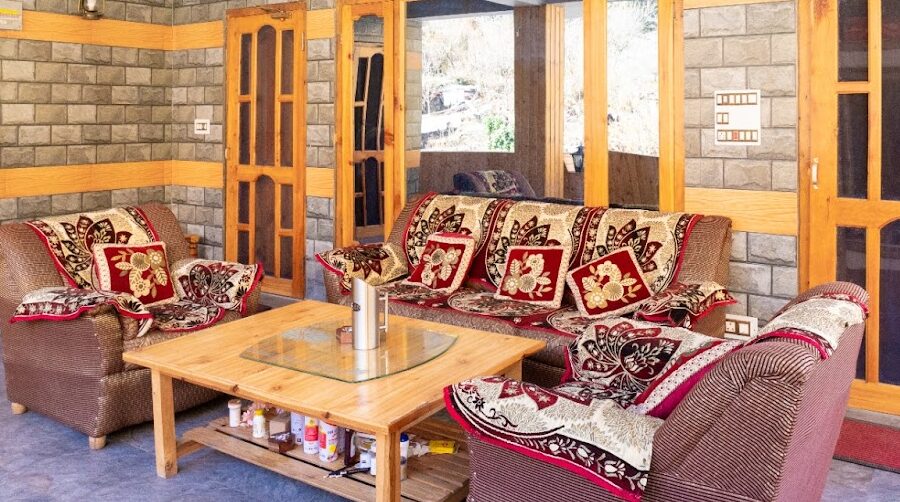
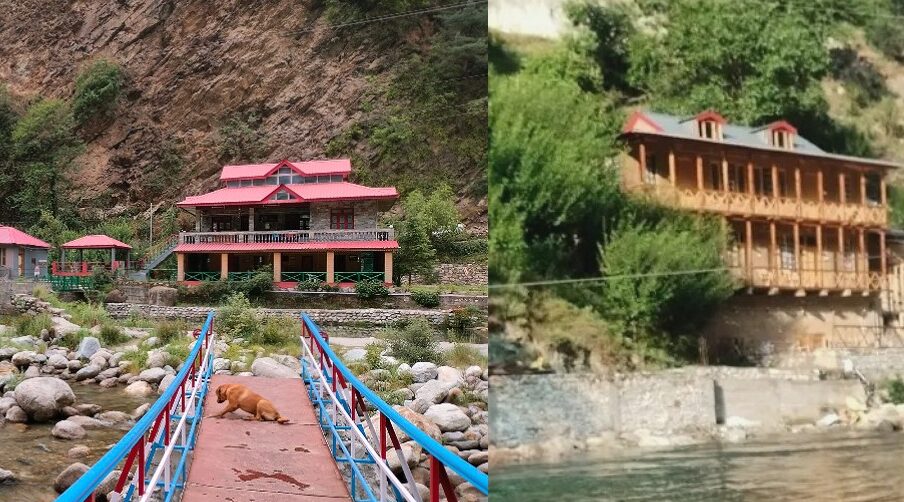
Note: The valley has limited dining options compared to popular tourist destinations, so many travelers prefer to eat at their accommodation or explore the authentic local cuisine offered by homestays.
🍲 Local Cuisine & Cafes
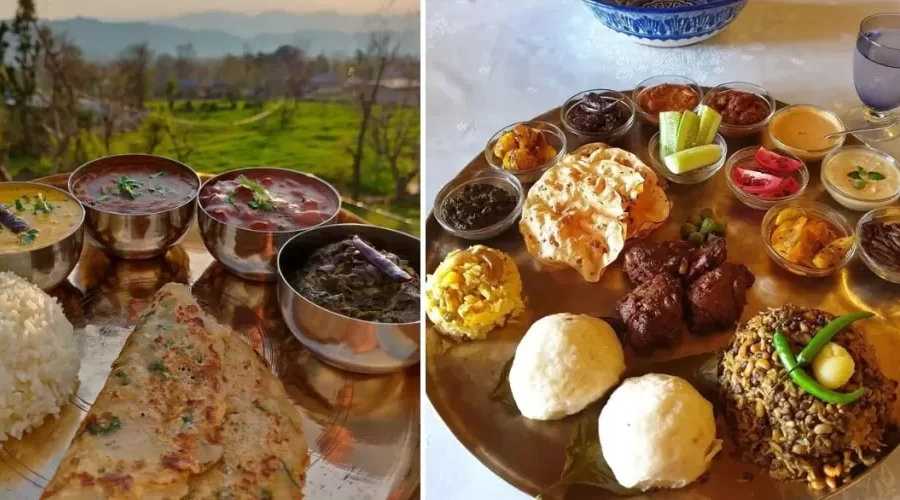
Traditional Himachali Dishes
- Dham - A festive meal served on special occasions, featuring rice, dal, rajma, and various curries
- Siddu - Local steamed bread stuffed with poppy seeds & jaggery, often served with ghee and chutney
- Patande - Traditional pancakes made with wheat flour, often served with honey or jaggery
- Babru - Himachali-style kachori filled with lentils and spices
- Chana Madra - Chickpeas cooked in yogurt-based curry with aromatic spices
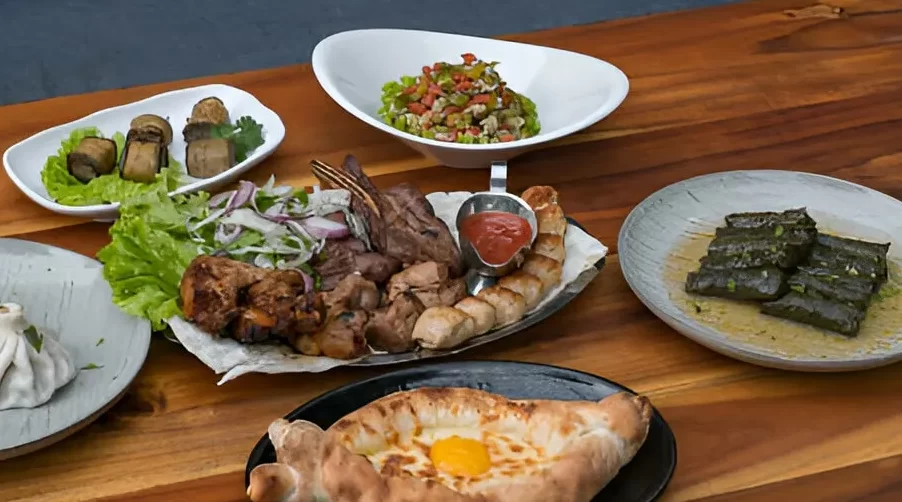
Local Specialties
- Fresh Trout Fish Curry - Locally caught and prepared in various styles, from grilled to curried
- Chha Gosht – Spicy lamb curry in yogurt gravy
- Wild Honey - Collected from local beehives, pure and flavorful
- Apple Products - Fresh apples, apple juice, and apple-based preserves from local orchards
- Herbal Teas - Made from locally grown herbs and medicinal plants
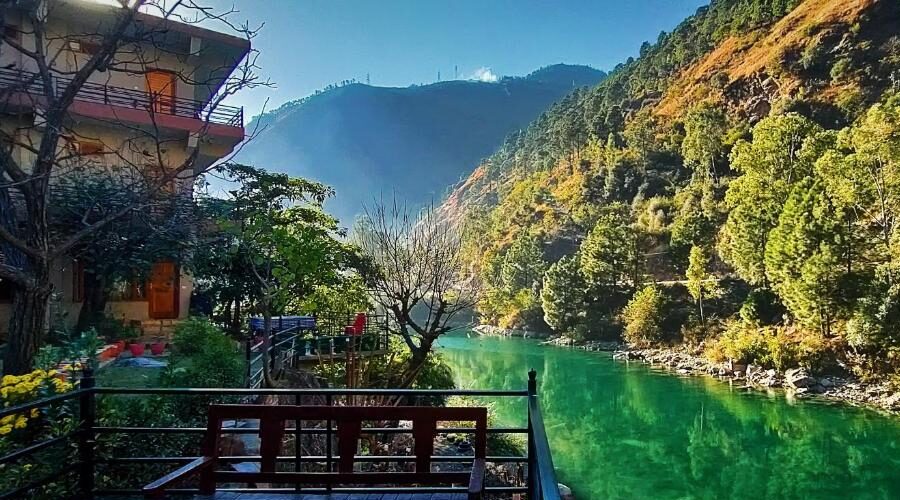
Recommended Cafes
- Riverside Cafe - Offers mountain views with homemade snacks and local tea
- Valley View Cafe - Known for its breakfast menu and peaceful ambiance
- Trout Cafe - Specializes in fresh trout preparations and local cuisine
- Mountain Brew- Local brewing experiments with traditional recipes Unique offerings: Herbal teas, local spirits, mountain snacks
🌲 Hidden Gems
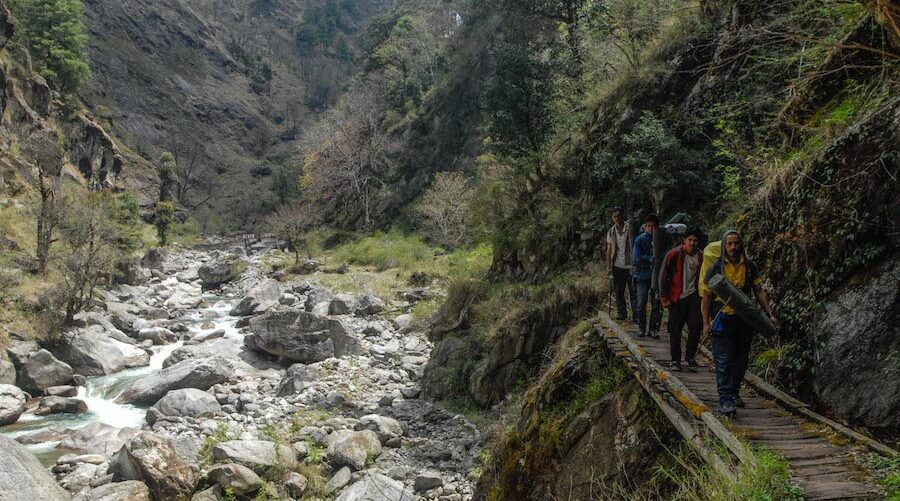
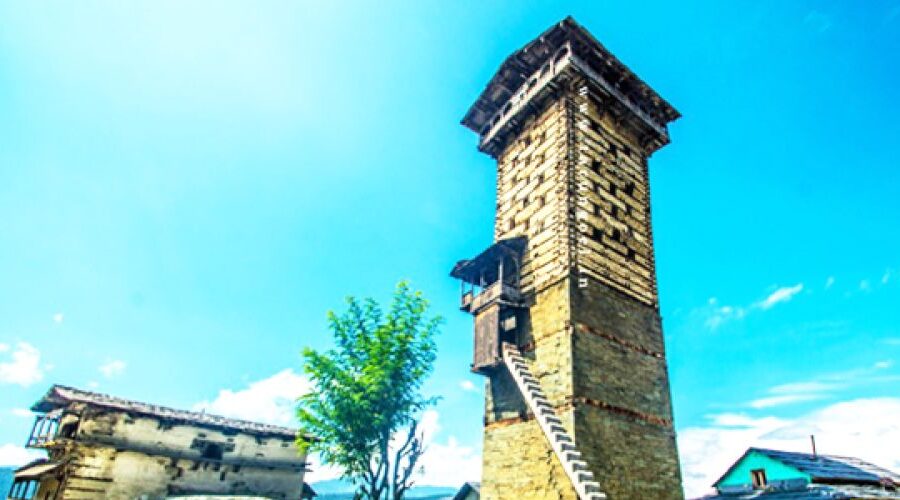
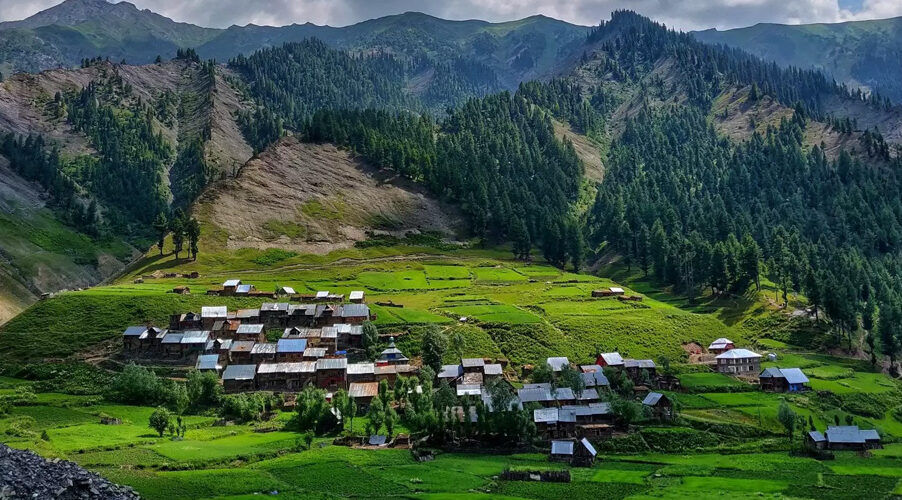
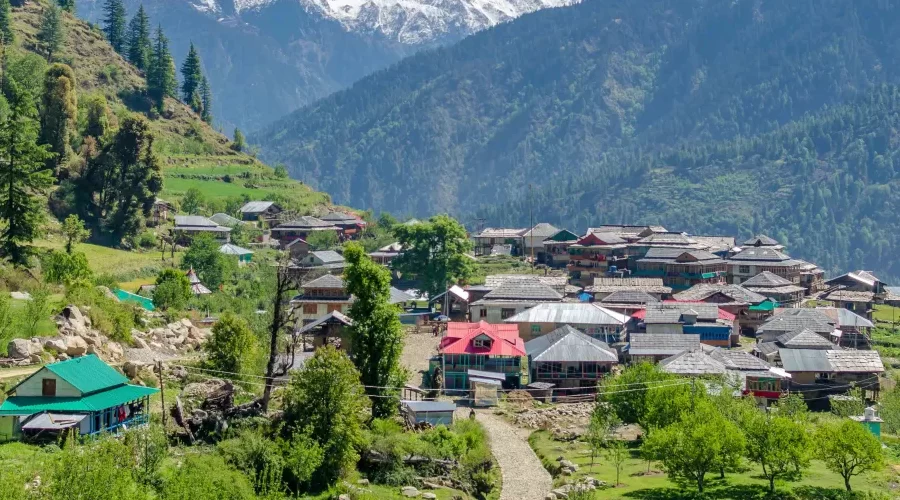
📷 Photo Spots to Pin
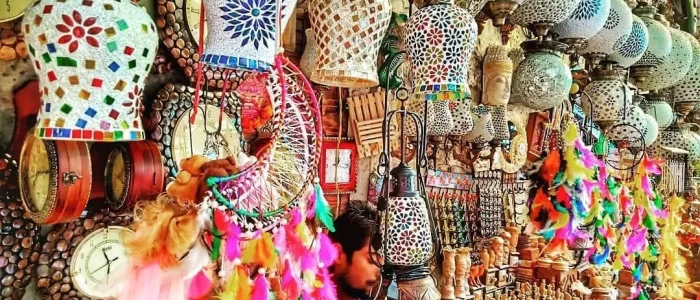
 Local Markets in Banjar - Authentic mountain life and local produce
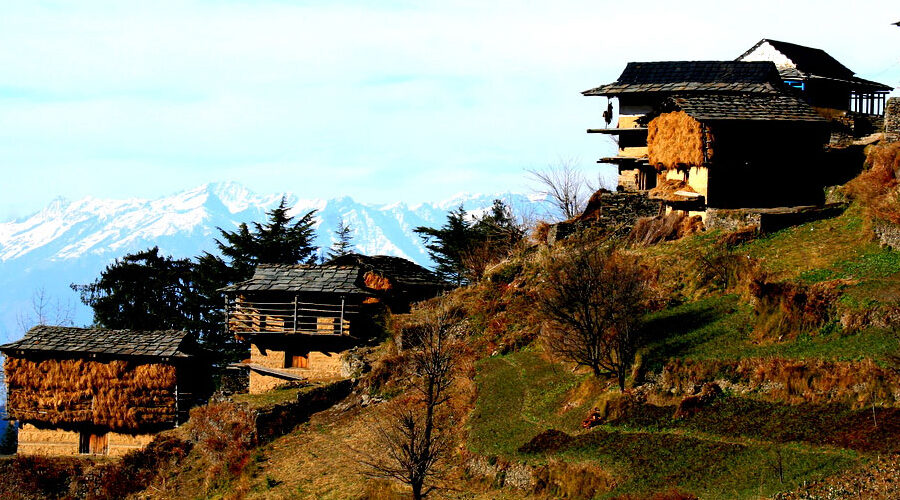
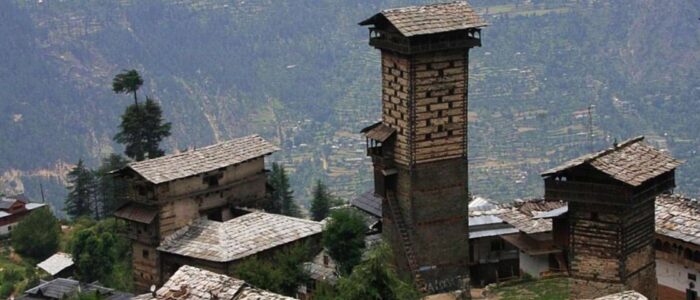
 Traditional Himachali Houses - Wooden architecture with intricate carvings
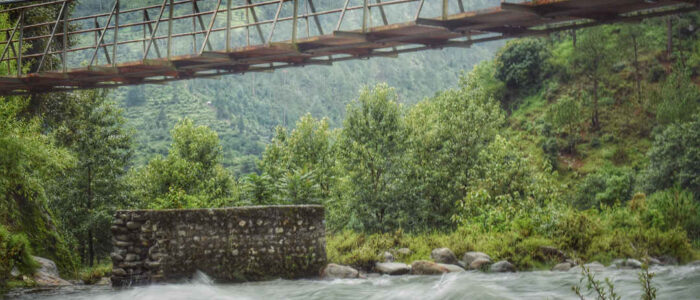
 Wooden Bridge at Gushaini – Rustic, riverside bridge perfect at sunrise
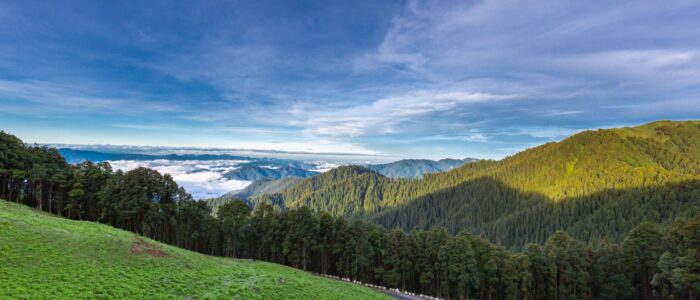
 Jalori Pass Viewpoint – With snow-capped peaks and prayer flags
 Chehni Kothi – Towering wooden temple amidst mist
 Serolsar Lake – Crystal reflections and dense woods
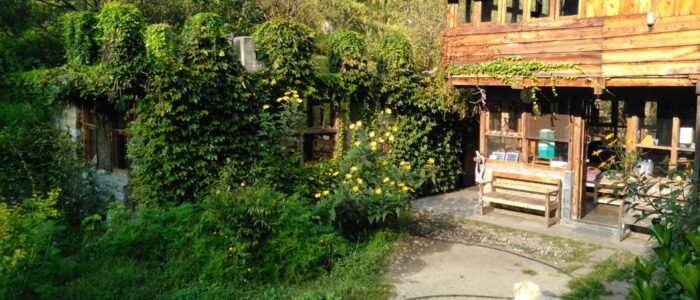
 Raju Bharti Garden – Stone pathways and fruit orchards
 Chhoie Waterfall - Misty cascades and surrounding lush greenery
🛏 Stay Recommendations
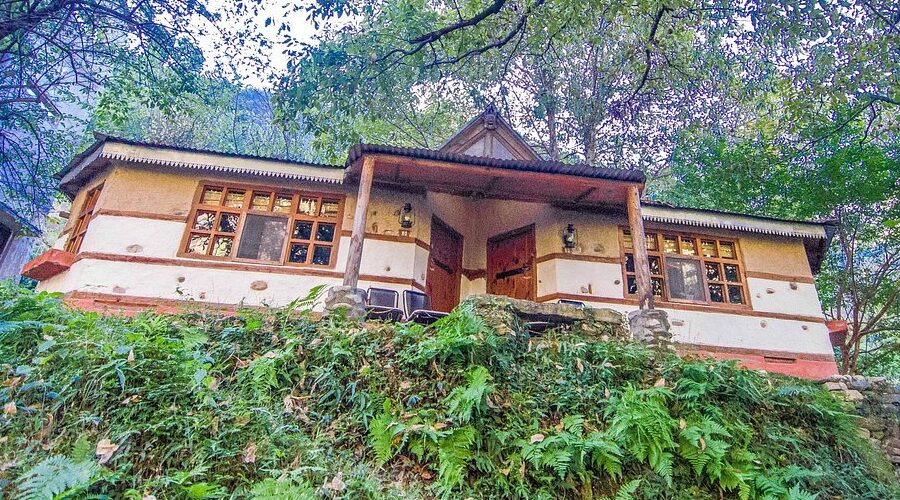
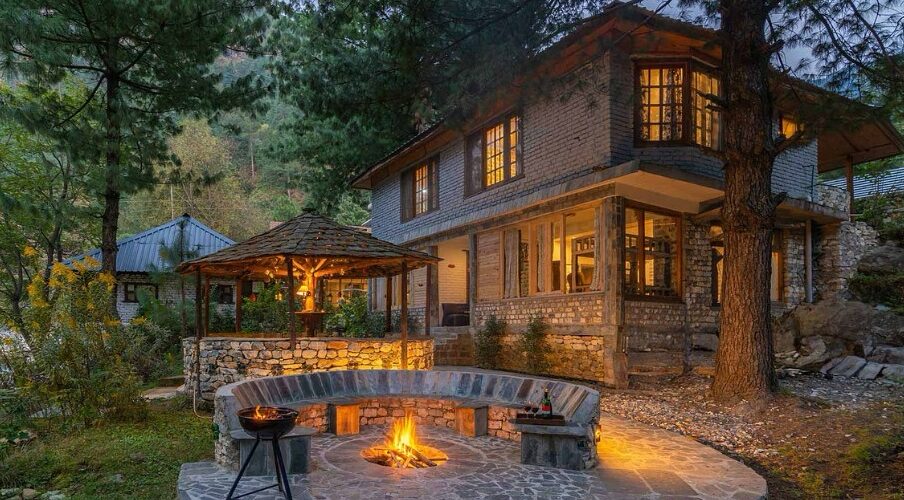
Mid-Range Options
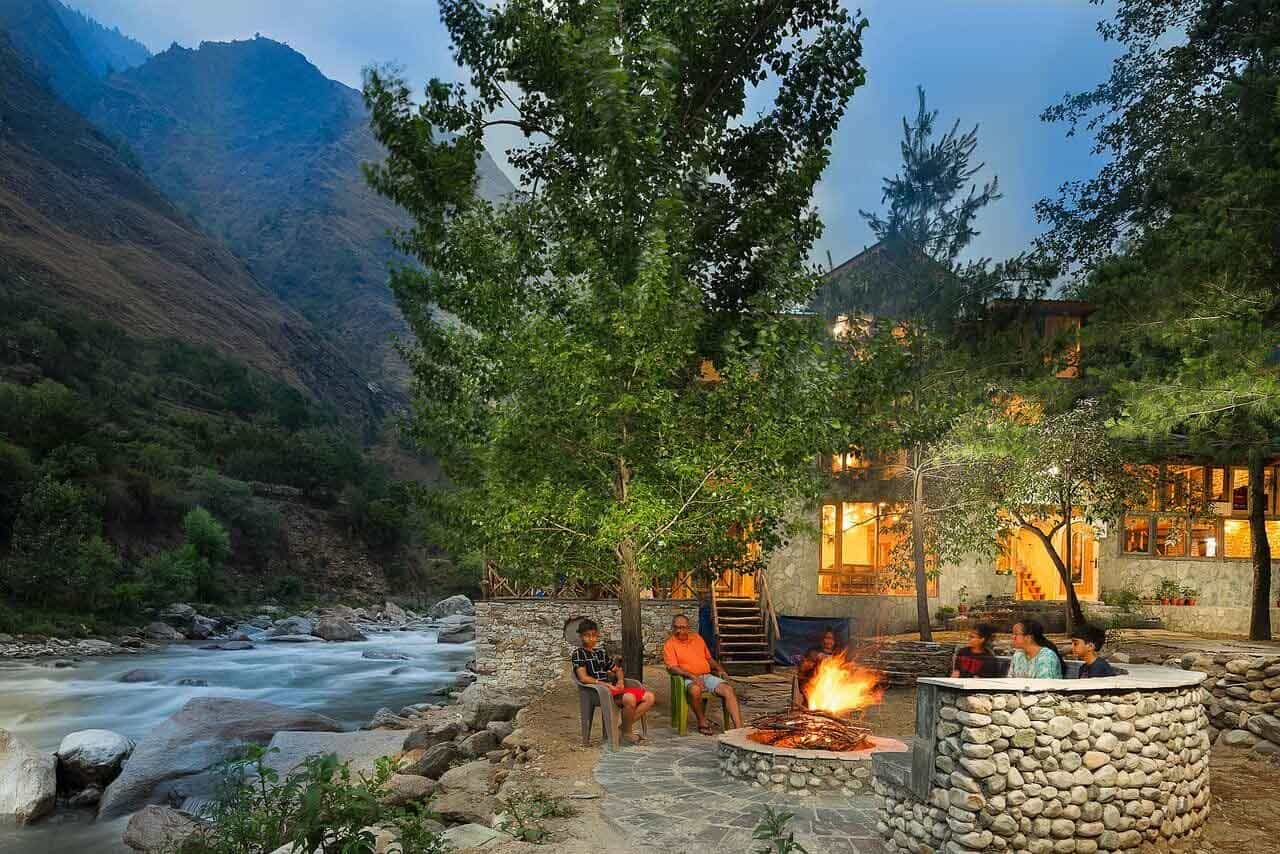
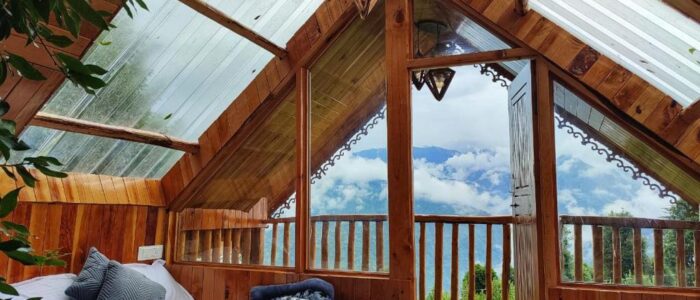
- StayVista at Breezy Banks - Wooden cottages along the river with cozy interiors and outdoor seating.
- Great Himalayan Nature View Cottage and Resort - Government accommodation offering basic comfort.
- Raju Bharti's Guest House - Wooden cottages along the river with great views. Entrance is fascinating.
- Tirthan Nature Cottages and Camps - Tirthan Valley (Tirthan Cottages) - Camping experience with organized activities
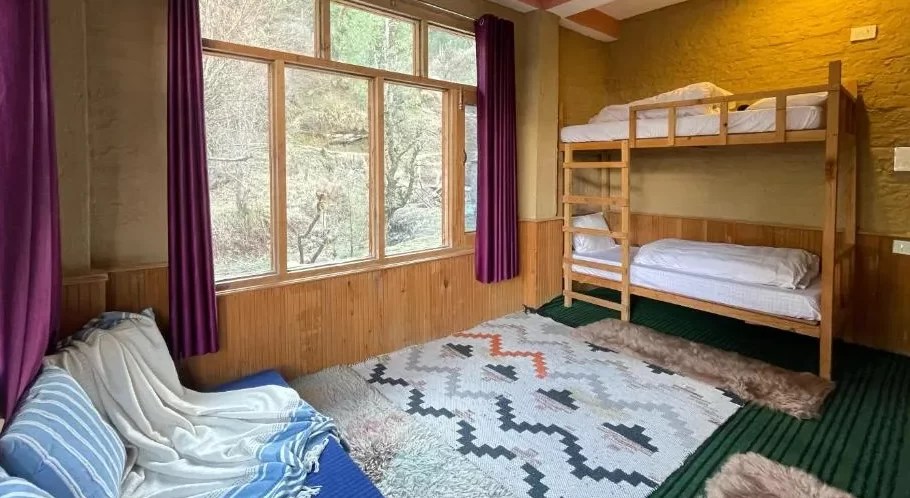
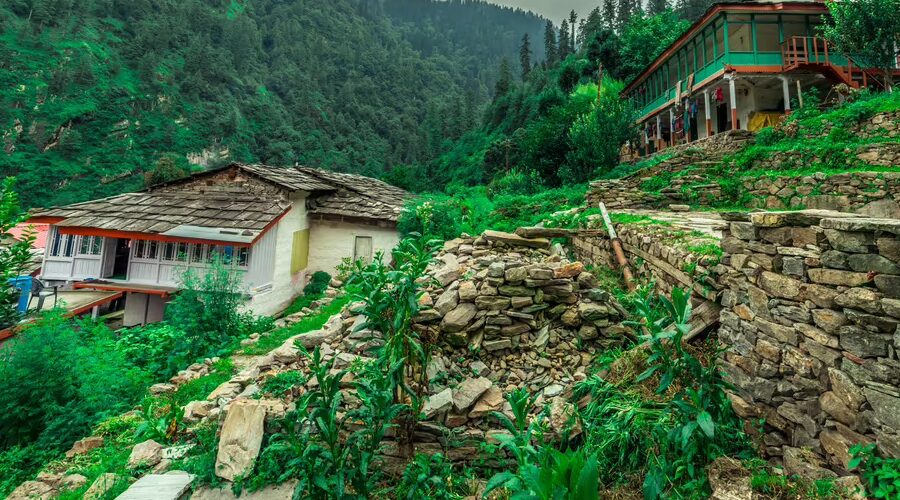
Homestay Villages
- Nagni - Quiet village with several homestay options
- Bathahad - Offers authentic mountain living experience
- Gushaini - Popular among anglers and nature lovers
Rryokou Booking Tips:
- Advance booking is recommended, especially during peak season
- Many accommodations offer package deals including meals and activities
- Check for pickup services from Aut or Bhuntar when booking
Map
🎒 What to Pack

- Warm layers (even in summer, nights get cold)
- Trekking shoes with good grip & trekking poles for longer treks and steep terrain
- Power bank & torch (frequent outages)
- Eco-friendly toiletries
- Reusable water bottle
- Offline map downloads
- Raincoat/poncho (if visiting in monsoon shoulder months)
- Travel games/books – no nightlife here!
- Sleeping Bag, if planning to stay in camps
- Valid ID Proof for accommodation & park entry
- Medical Insurance, recommended for adventure activities
✅ Rryokou Picks
–🏆 Rryokou’s Top Secret Spot: Visit the hidden river pools upstream from Gushaini – accessible only via a short unmarked trail known to locals. Perfect for a private swim in crystal-clear mountain water.
-🔹 Don’t miss: Early morning walk to Rolla in GHNP – dewdrops, birdsong, and mist!
-🔹 🎣 Angling Pro Tip:Try trout fishing in Gushaini – and ask your host to cook it Himachali-style.
  🔹 Carry cash– No ATMs after Banjar; most places are offline
  🔹 Avoid plastic – The valley is under strict eco-surveillance
  🔹 Connect with localsfor guided treks – they know secret trails that even Google doesn’t.
- 🏠 Accommodation Hack: Book homestays directly with families through local contacts rather than online platforms for better rates and more authentic experiences. Most homestays offer seasonal discounts for longer stays.
- 🚗 Transport Secret: Hire a local driver from Aut for the final leg of your journey - they know the best routes and can share interesting stories about the valley.
- 📱 Connectivity Reality: Network coverage is limited and inconsistent. Download offline maps and inform families about communication gaps. Some areas have zero connectivity - embrace the digital detox!
- 🥾 Trekking Insight: Start treks early morning to avoid afternoon mist and enjoy clearer mountain views. Local guides know shortcuts and hidden viewpoints not mentioned in guidebooks.
- 🍯 Local Shopping Tip: Buy wild honey directly from beekeepers in remote villages - it's pure, unprocessed, and significantly cheaper than tourist shop prices. Also great for gifts!
- ⚠️ Safety Advisory: Always inform your homestay host about your trekking plans and expected return time. Weather conditions can change rapidly in the mountains, and local knowledge is invaluable for safe exploration.
- 🌟 Cultural Etiquette: Participate in local festivals if your visit coincides with them. The community is very welcoming to respectful visitors who show genuine interest in their traditions and way of life.
Read More